PPF vs. Ceramic Coating: Which Is Best for Cedar City's Harsh Climate?
If you've ever cruised down Scenic Byway 14 into Cedar Breaks, you know Cedar City offers some of the most stunning drives in Utah. But the moment you merge back onto I-15, reality hits, literally. Between the never-ending construction zones spitting gravel like a shotgun and the relentless high-altitude sun beating down at 5,800 feet, your vehicle's paint doesn't stand a chance.
Here's the hard truth: your factory clear coat was designed for a controlled environment, not Cedar City's gauntlet of magnesium chloride-soaked winter roads and UV rays that could cook an egg on your hood. Within months, you'll notice rock chips along your bumper, a dull chalky finish creeping across your paint, and the first signs of clear coat failure.
The good news? You don't have to accept this fate. Two proven solutions can shield your investment:
Paint Protection Film (PPF) and
Ceramic Coating. But which one is right for Cedar City's brutal conditions? Let's break down the science, the costs, and the real-world performance of each.
Understanding the Contenders: Armor vs. Shield
Before we pit these products against Cedar City's elements, let's understand what we're actually dealing with.
What is PPF? (The Body Armor)
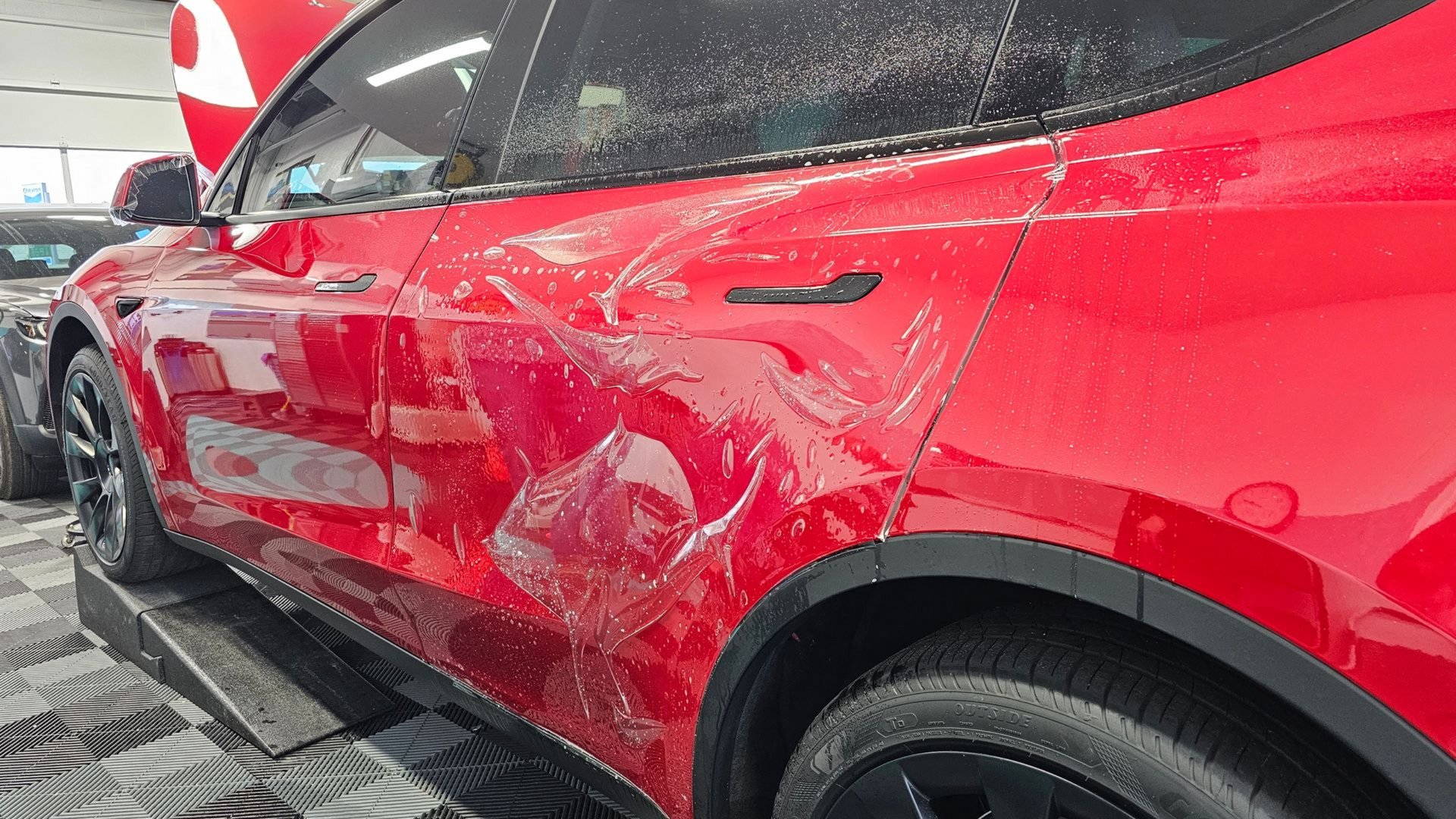
Think of Paint Protection Film as a bulletproof vest for your paint. This thermoplastic urethane film, typically 6-8 mils thick, is professionally applied to high-impact areas of your vehicle. The key advantage is impact resistance against rock chips. When a piece of gravel launches off the truck ahead of you on I-15, PPF absorbs that impact rather than letting it crater your paint.
Even better, quality PPF has self-healing capabilities. Those minor swirls and light scratches that accumulate from automatic car washes? The Utah sun's heat actually helps the film "heal" itself, restoring a smooth surface. It's like having a sacrificial layer that takes the beating so your original paint doesn't have to.
What is Ceramic Coating? (The Invisible Shield)
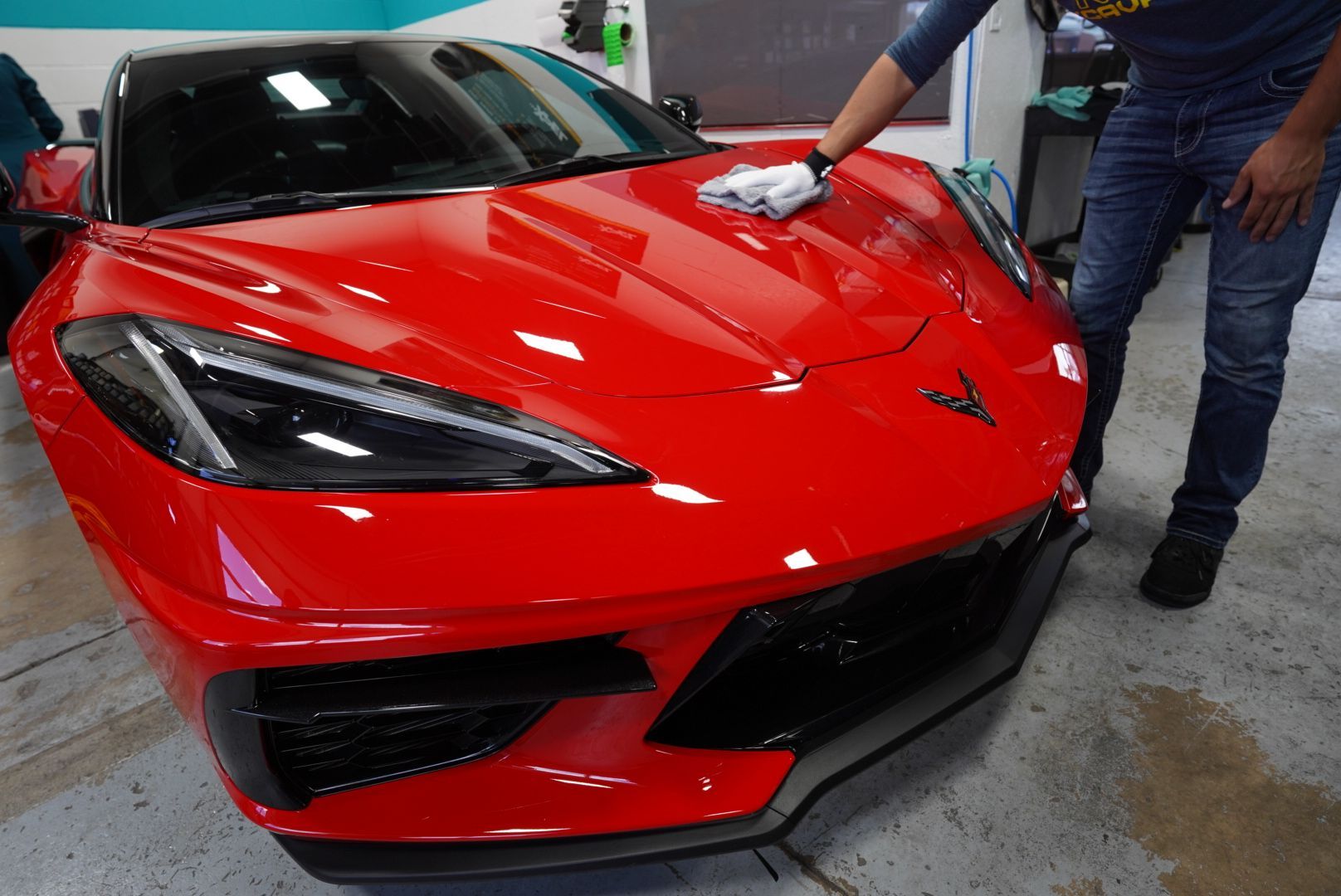
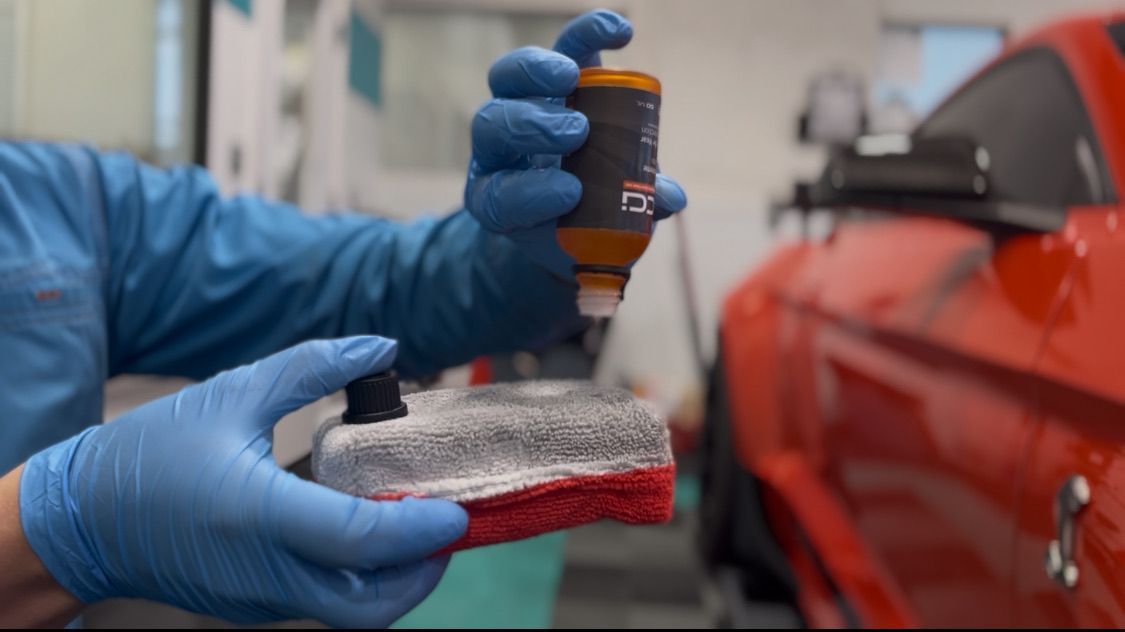
Ceramic coating is a liquid polymer, primarily silicon dioxide (SiO2), that chemically bonds with your factory clear coat at the molecular level. Once cured, it creates a hydrophobic surface that makes water bead up and roll off like mercury on glass.
The magic here isn't about stopping rocks. Ceramic coating is measured in microns (millionths of a meter), making it far too thin to prevent physical damage. Instead, it excels at two things: creating an intense, mirror-like gloss that turns heads, and providing chemical resistance that prevents UV oxidation. In Cedar City's high-elevation environment, that protection against the sun's degrading effects is critical for maintaining your paint's depth and color.
The "Cedar City Test": How Each Handles Our Weather
Let's put both products through the paces of what they'll actually face in Southern Utah.
Round 1: The UV Factor (High Elevation Sun)
At nearly 6,000 feet elevation, Cedar City gets hammered by UV radiation. Over time, this causes the dreaded "chalky" look where your paint loses its luster and starts to oxidize.
Winner: Tie/Ceramic Coating (slight edge)
Both products provide UV protection, but ceramic coating's chemical bond creates a harder barrier against oxidation. PPF also protects against UV rays, but its primary strength lies elsewhere. If keeping that showroom shine is your priority, ceramic coating wins on aesthetics. However, quality PPF like XPEL Ultimate Plus also includes UV inhibitors that prevent yellowing and paint fade.
Round 2: Winter Roads (Salt & Magnesium Chloride)
Cedar City's roads get absolutely coated in magnesium chloride from November through March. This stuff is more corrosive than traditional road salt, and it loves to eat away at your paint and clear coat.
Winner: PPF
While ceramic coating's hydrophobic properties make washing off salt residue incredibly easy (contaminated water simply slides off), it doesn't create a physical barrier. PPF, on the other hand, prevents that salt-laden slush from grinding directly against your paint. When you're following a snowplow spreading mag chloride on SR-14, PPF is the difference between protected paint and a hood full of micro-scratches.
Round 3: Physical Damage (Gravel & Road Debris)
Here's where the rubber meets the road, or rather, where the rock meets your bumper. Between I-15 construction and gravel roads leading to Brian Head or Kolob Canyon, road debris is a constant threat.
Winner: PPF (By a landslide)
There's no contest here. Ceramic coating is roughly 2 microns thick, about the width of a bacterial cell. It simply cannot stop a rock traveling at highway speeds. PPF is 6-8 mils thick (150-200 times thicker than ceramic coating) and specifically engineered to absorb and disperse impact energy. This is why high-impact areas like bumpers, hoods, and mirror caps are where PPF truly earns its keep.
Cost vs. Longevity: What's the Better Investment?
Let's talk numbers, because protecting your paint is an investment that should make financial sense.
Ceramic Coating: The Budget-Friendly Shine
Professional ceramic coating in Cedar City typically runs $500 to $2,000 depending on the product quality and your vehicle size. With proper maintenance (pH-neutral washing, avoiding harsh chemicals), you're looking at 2 to 5 years of protection. This makes it ideal for vehicle owners who want enhanced aesthetics, easy cleaning, and UV protection without the higher upfront cost.
PPF: The Long-Term Guardian
Paint Protection Film starts around $1,500 for partial coverage and can exceed $5,000 for full-vehicle protection. But here's the math that matters: a quality PPF installation lasts 5 to 10 years, and it prevents damage that would cost thousands to repair. Just one deep rock chip that requires panel repainting can run $500 to $1,000. After stopping just a few significant impacts, PPF has essentially paid for itself.
Resale Value Matters
Here's something Cedar City car buyers notice: original, un-chipped paint. When you sell your vehicle, having pristine paint protected by PPF or
Ceramic Coating can add thousands to your resale value. Buyers know the difference between a vehicle that's been protected and one that's been exposed to Utah's harsh elements for years.
The "Hybrid Approach": Why Choose One When You Can Have Both?
Here's the strategy that savvy Cedar City vehicle owners are adopting: combine both products for complete protection.
The formula is simple: PPF on the front, ceramic coating on the whole vehicle.
Why This Works for Cedar City:
Your front end (hood, bumper, fenders, mirrors, and headlights) takes the brunt of road debris. These high-impact areas need PPF's physical barrier. Meanwhile, the rest of your vehicle benefits from ceramic coating's UV protection, chemical resistance, and hydrophobic surface that keeps dust and rain from sticking.
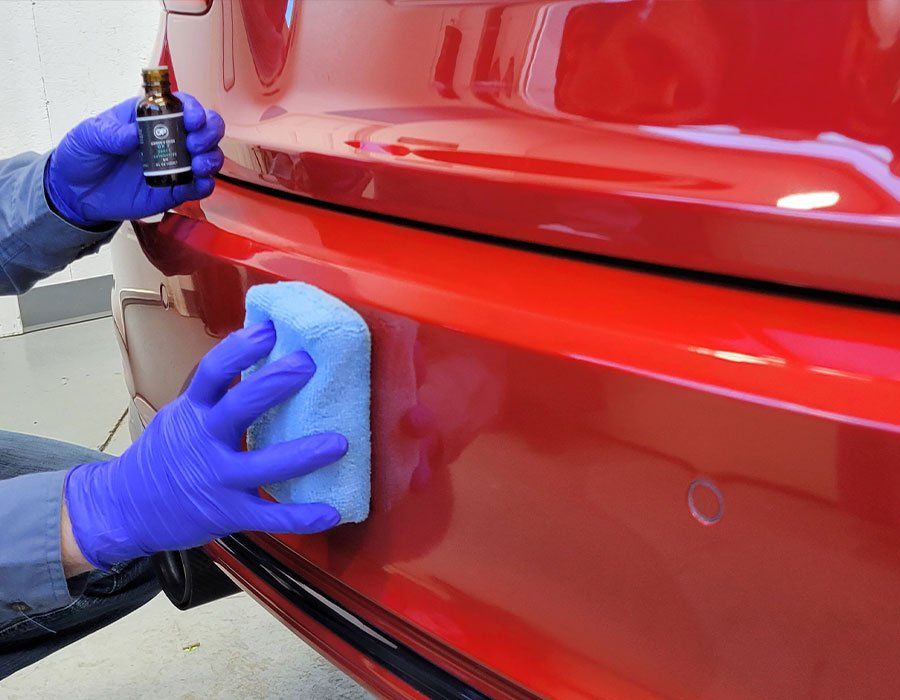
This hybrid approach gives you the best of both worlds: rock chip protection where you need it most, and easy-to-clean, glossy paint everywhere else. Plus, you can apply ceramic coating on top of PPF for an extra layer of hydrophobic properties and even more gloss.
Final Thoughts: Which One Should You Choose?
The right choice depends on how you actually use your vehicle in Cedar City.
Choose PPF if:
- You commute on I-15 daily and face constant road debris
- You regularly drive gravel roads to Brian Head, Duck Creek, or Kolob Canyon
- You plan to keep your vehicle for 5+ years and want to preserve its value
- Your vehicle is new and you want to protect the original paint
- You're tired of seeing rock chips accumulate on your hood and bumper
Choose Ceramic Coating if:
- You want a mirror-like showroom shine that turns heads
- You're frustrated with how quickly your vehicle gets dirty and hard to clean
- Your driving is mostly in-town on paved roads
- You want UV protection and easy maintenance at a lower upfront cost
- Your vehicle is primarily a "pavement princess" that sees careful use
The Bottom Line
Cedar City's environment is uniquely punishing to automotive paint. Between the high-altitude UV exposure, corrosive winter road treatments, and constant barrage of road debris, your vehicle needs protection. The only question is which kind.
Don't let the Utah elements ruin your ride. Whether you choose the impact resistance of PPF, the brilliant shine of Ceramic Coating, or the ultimate protection of both, taking action now will save you thousands in paint restoration down the road. Contact a certified installer today for a free consultation on the best protection package for your vehicle and driving conditions.
Your car survived the dealer lot. Now make sure it survives Cedar City.
TekShine PPF, Ceramic Coating and Window Tinting