PPF vs. Ceramic Coating: Which Is Best for Cedar City's Harsh Climate?
If you've ever driven Highway 14 toward Duck Creek on a summer weekend, you know the feeling: the unmistakable ping of gravel bouncing off your hood. Or maybe you've returned from a winter commute on I-15 to find your truck coated in a thick layer of magnesium chloride residue that seems impossible to wash off. Welcome to Cedar City, where your vehicle's paint doesn't just fade over time. It gets attacked.
At 6,000 feet elevation, Cedar City presents a unique challenge for car owners. The sun is more intense than at sea level. The roads are treated with aggressive de-icers all winter. Construction zones kick up gravel like confetti. And those gorgeous red dirt trails? They leave behind a film that bonds to your clear coat like glue.
The question isn't whether you should protect your paint. The question is
how. Two solutions dominate the conversation:
Paint Protection Film (PPF) and Ceramic Coating. Both promise to shield your investment, but they work in fundamentally different ways. Understanding which one fits your needs (or whether you need both) could save you thousands in resale value and countless hours of frustration.
What is PPF? The Physical Armor for Your Paint
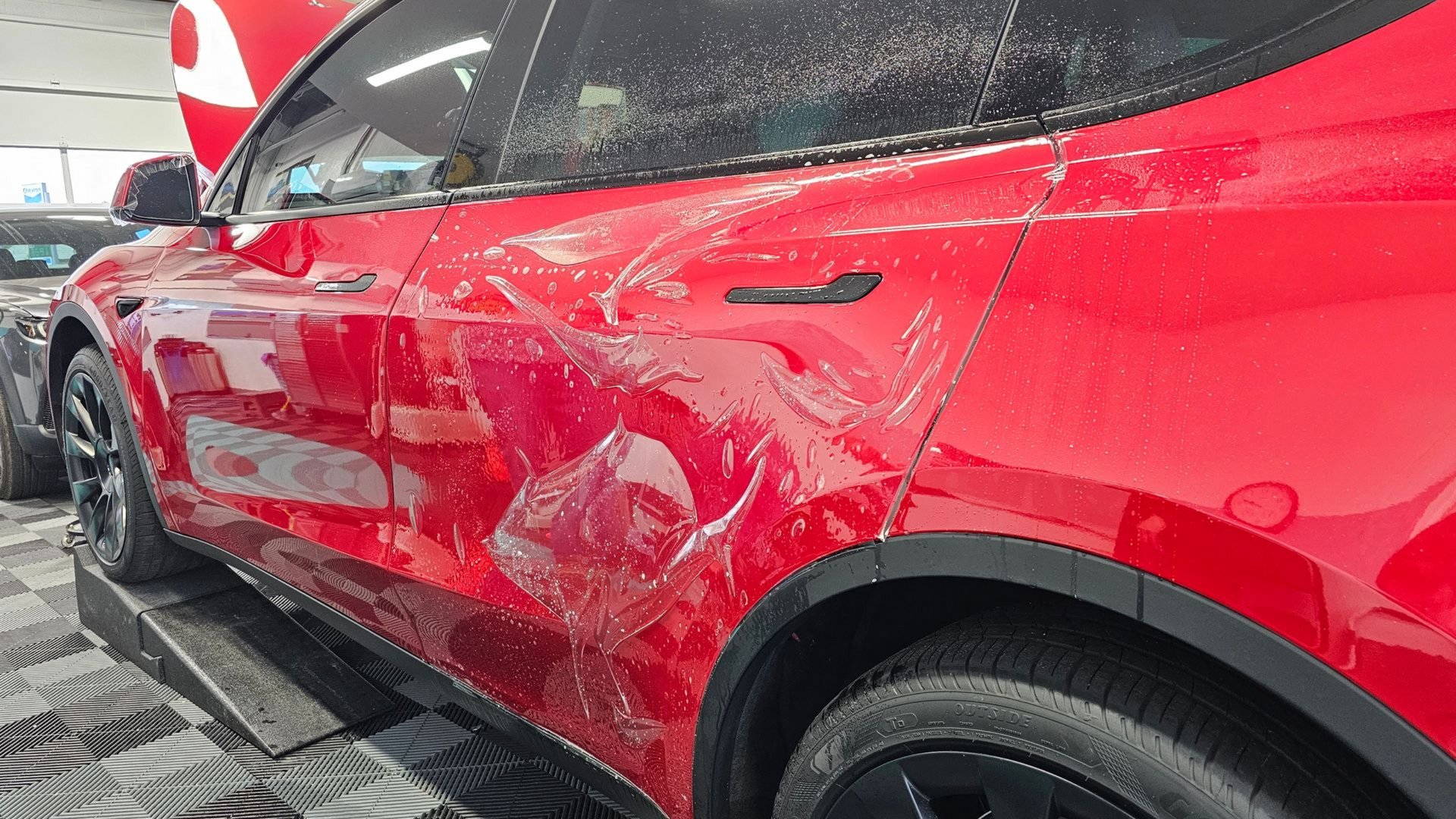
Paint Protection Film, often called a "Clear Bra," is a thick urethane film that gets professionally applied to your vehicle's painted surfaces. Think of it as a bulletproof vest for your car. Unlike a coating that bonds chemically, PPF is a physical barrier between your paint and the world.
The film typically measures 6 to 8 mils thick (that's about the thickness of a few sheets of paper stacked together). This might not sound like much, but when a rock hits your hood at 70 mph, those few mils are the difference between a chip in your clear coat and absolutely nothing.
Why Cedar City Drivers Choose PPF
If you regularly drive SR-14 between Cedar City and Brian Head, you've seen the evidence: chips on hoods, cracked headlights, and pitted bumpers. PPF was designed specifically for this problem. The film absorbs impacts that would otherwise crack or chip your paint.
But here's where modern PPF gets interesting: self-healing technology. When the film gets light scratches or swirl marks (the kind you get from automatic car washes or even hand washing), you can pour hot water over it or park in the sun, and the light scratches disappear. The heat activates the urethane's memory, allowing it to return to its original smooth state.
For truck and SUV owners who actually use their vehicles for what they're built for (towing trailers up the mountain, hauling equipment to job sites, or accessing those hidden camping spots), PPF isn't a luxury. It's preventative maintenance.
Lifespan & Investment: Quality PPF typically lasts 5 to 10 years and starts around $1,500 for partial coverage (hood, bumper, fenders, mirrors). Full-vehicle wraps can run significantly more but offer comprehensive protection.
What is Ceramic Coating? The Chemical Shield
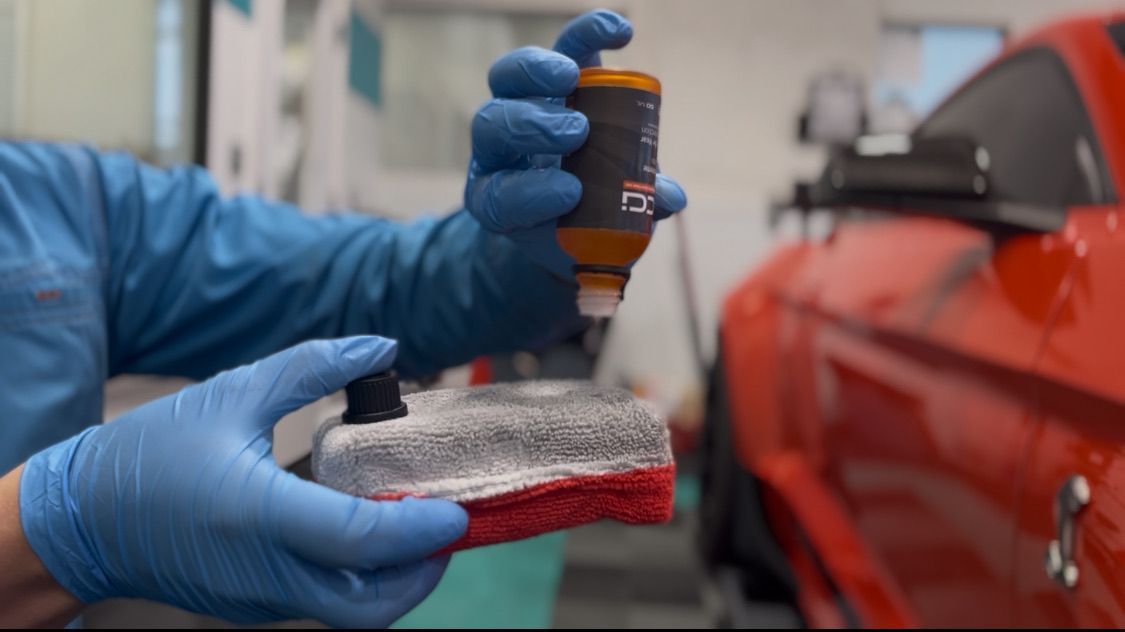
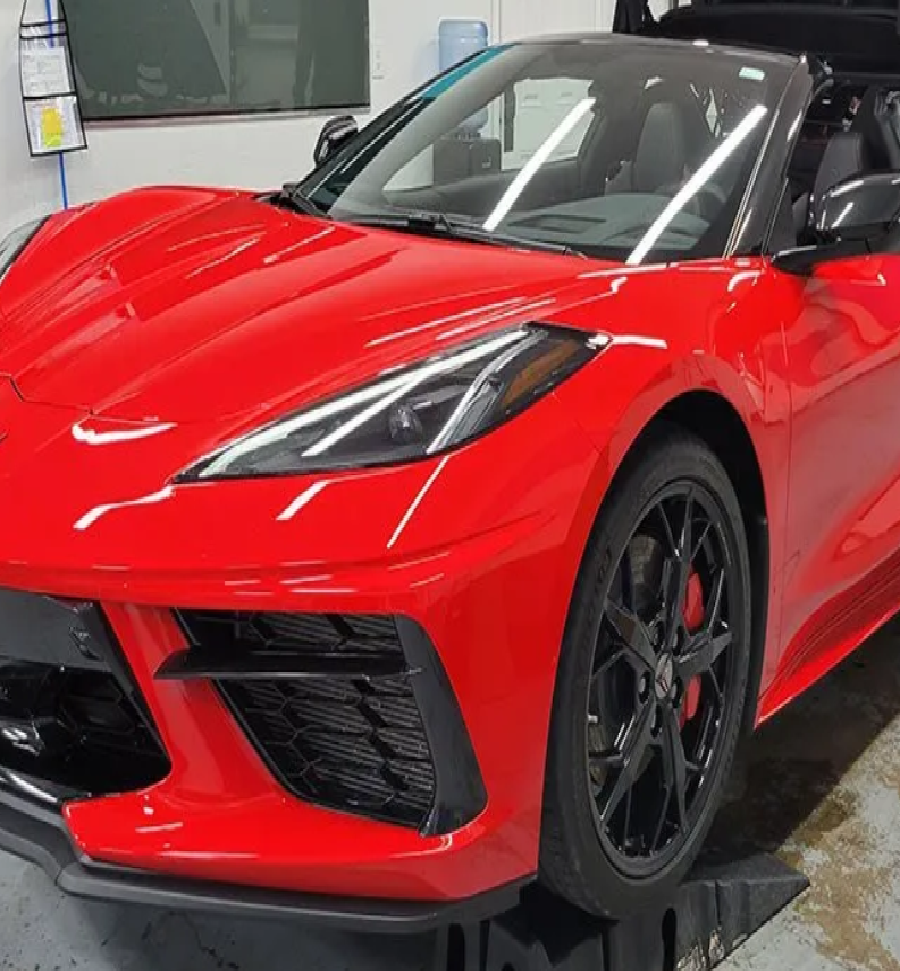
Ceramic coating takes a completely different approach. Instead of adding a physical layer, it creates a permanent chemical bond with your paint. The coating is a liquid polymer (primarily silicon dioxide, or SiO2) that cures into an extremely hard, glass-like surface.
If PPF is a bulletproof vest, ceramic coating is a force field that repels everything it touches.
The Cedar City Advantage
At our elevation, UV radiation is significantly stronger than at lower altitudes. Over time, this causes paint to oxidize and develop that chalky, faded appearance you see on older vehicles. Ceramic coating provides exceptional UV protection by creating a barrier that prevents oxidation at the molecular level.
But the real magic happens when it rains (or when you wash your car). Ceramic coating is intensely hydrophobic, meaning water beads up and rolls off like your paint is made of Teflon. That red dirt from the trails? It rinses away instead of bonding to your clear coat. The magnesium chloride they spray on I-15 all winter? It slides right off.
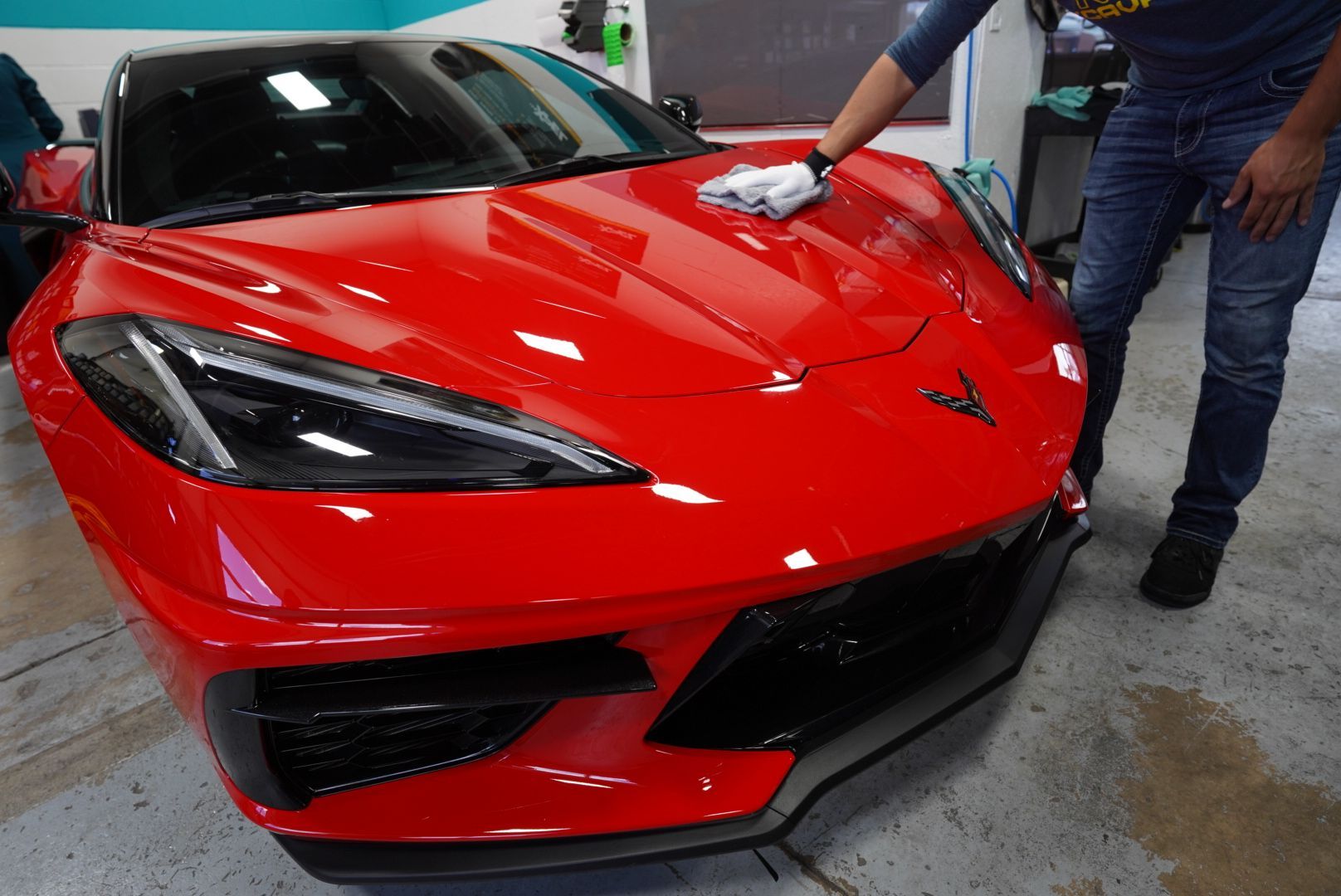
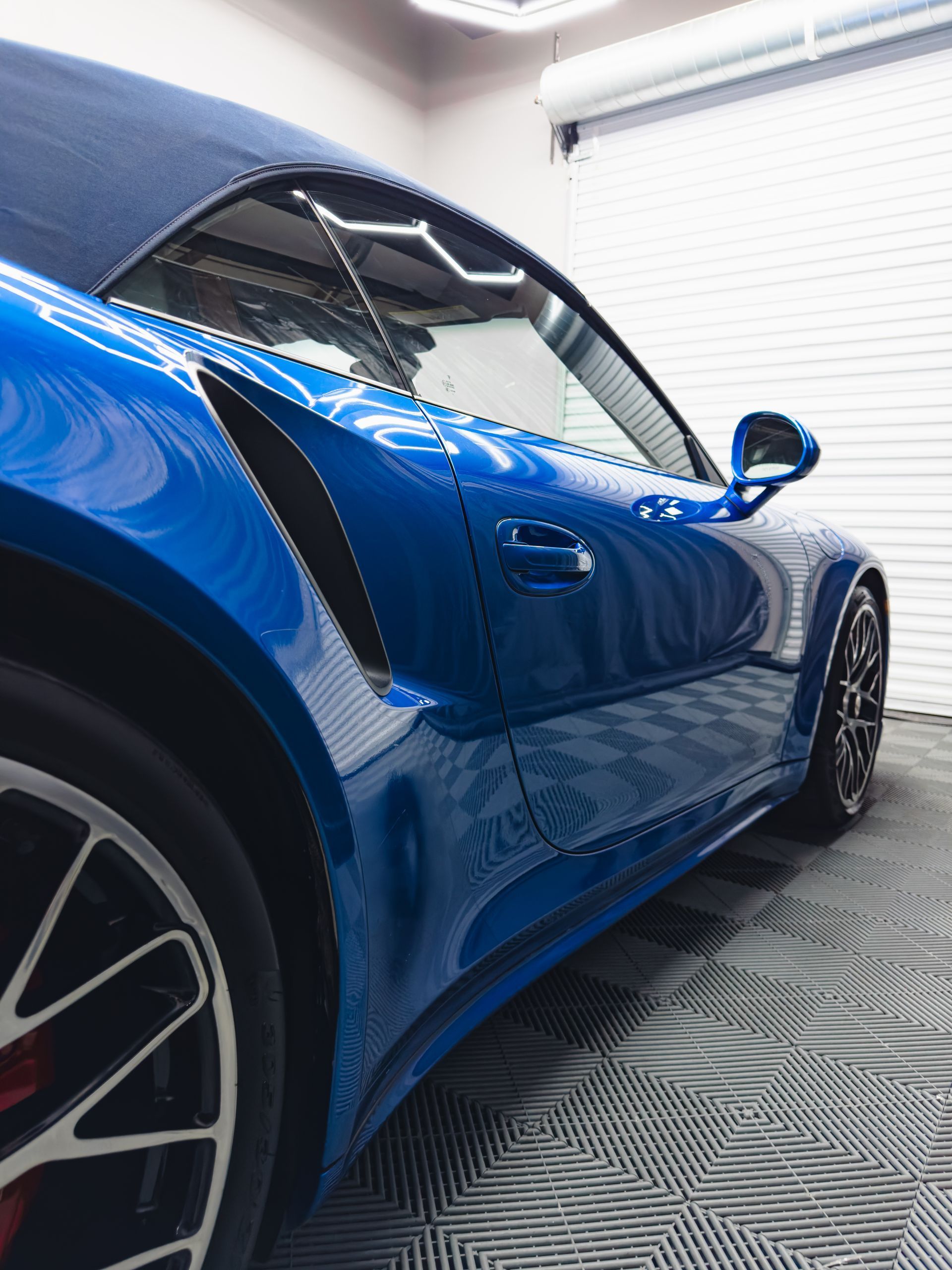
For car enthusiasts who want that deep, wet-looking shine, ceramic coating delivers. The gloss enhancement is immediate and dramatic. Your vehicle looks like it just rolled off the showroom floor, and more importantly, it stays looking that way with minimal effort.
Lifespan & Investment: Professional ceramic coatings typically last 2 to 5 years and start around $500 for a quality application. The coating measures just 2 microns thick (about 150 to 200 times thinner than PPF).
| Protection Factor | PPF (Paint Protection Film) | Ceramic Coating | Cedar City Winner |
|---|---|---|---|
| Rock Chip & Impact Resistance | Excellent. 6-8 mil thickness absorbs impact from gravel and road debris. Self-healing properties repair minor scratches. | Minimal. 2-micron coating offers no meaningful impact protection. | PPF (by a landslide) |
| UV Protection | Good. Protects against yellowing and oxidation. | Excellent. Superior chemical bond provides maximum UV resistance and prevents oxidation. | Ceramic Coating (slight edge) |
| Hydrophobic Properties & Ease of Cleaning | Moderate. Easier to clean than bare paint, but not as slick as ceramic. | Excellent. Extreme water beading makes washing effortless. Red dirt and road salt rinse away easily. | Ceramic Coating |
| Chemical Resistance (Road Salt/Mag Chloride) | Good. Protects paint from direct contact with harsh chemicals. | Excellent. Chemical bond resists staining and etching from de-icers. | Ceramic Coating |
| Lifespan | 5-10 years with proper care. More durable long-term investment. | 2-5 years. Requires periodic reapplication. | PPF |
| Gloss Enhancement | Good. Modern PPF maintains original paint gloss. | Excellent. Dramatic "wet look" shine enhancement. | Ceramic Coating |
| Cost (Starting Point) | Starts at approximately $1,500 for partial front coverage. | Starts at approximately $500 for full vehicle coating. | Ceramic Coating (more affordable) |
Which Is Best for You? A Decision Guide
Choose PPF if:
You drive gravel roads regularly. If your commute involves construction zones, unpaved roads, or mountain highways like SR-14, PPF is essential. The film will save you from dozens of rock chips over its lifespan.
You own a new or high-value vehicle. If you just drove off the lot with a $60,000 truck or you own a luxury vehicle, protecting that factory paint is critical for resale value. A single hood repaint costs $1,000 to $2,000. PPF pays for itself.
You want self-healing protection. Minor scratches and swirls are inevitable. PPF's heat-activated healing means your vehicle keeps looking new without constant polishing or touch-ups.
You plan to keep your vehicle long-term. With a 10-year lifespan, PPF offers the best protection-per-year value for owners who aren't trading every few years.
Choose Ceramic Coating if:
You want that "showroom shine." If gloss and appearance are your priorities, ceramic coating delivers a depth and clarity that PPF can't match.
You park outside. Cedar City's intense UV exposure will fade and oxidize unprotected paint. Ceramic coating provides superior chemical resistance against sun damage.
You hate washing your car. The hydrophobic properties mean you'll wash less frequently and spend less time doing it. Water, dirt, and salt simply don't stick.
You're budget-conscious. At roughly one-third the cost of partial PPF coverage, ceramic coating offers excellent value for appearance-focused protection.
Your vehicle isn't frequently exposed to impact hazards. If you mostly drive in town and on maintained highways, the risk of rock chips is lower, making coating a smart choice.
The TekShine Recommendation: The Hybrid Strategy
Here's what we tell clients who want the absolute best protection for Cedar City conditions: don't choose. Combine them.
The "Hybrid Strategy" means applying PPF to your high-impact zones (full hood, front bumper, fenders, mirrors, and door edges) and then applying ceramic coating over the entire vehicle, including the PPF itself.
Why This Works
You get maximum physical protection exactly where you need it most. The front of your vehicle takes 90% of the abuse from rocks, bugs, and road debris. PPF handles that like a champ.
Meanwhile, ceramic coating goes everywhere, creating that hydrophobic, UV-resistant shield across your entire paint surface. The result? Your truck shrugs off rock chips up front while the entire vehicle repels water, resists oxidation, and maintains an incredible shine.
And here's a bonus: ceramic coating over PPF actually enhances the film's performance. The coating makes the PPF easier to clean and adds an extra layer of chemical resistance.
The Investment That Pays Back
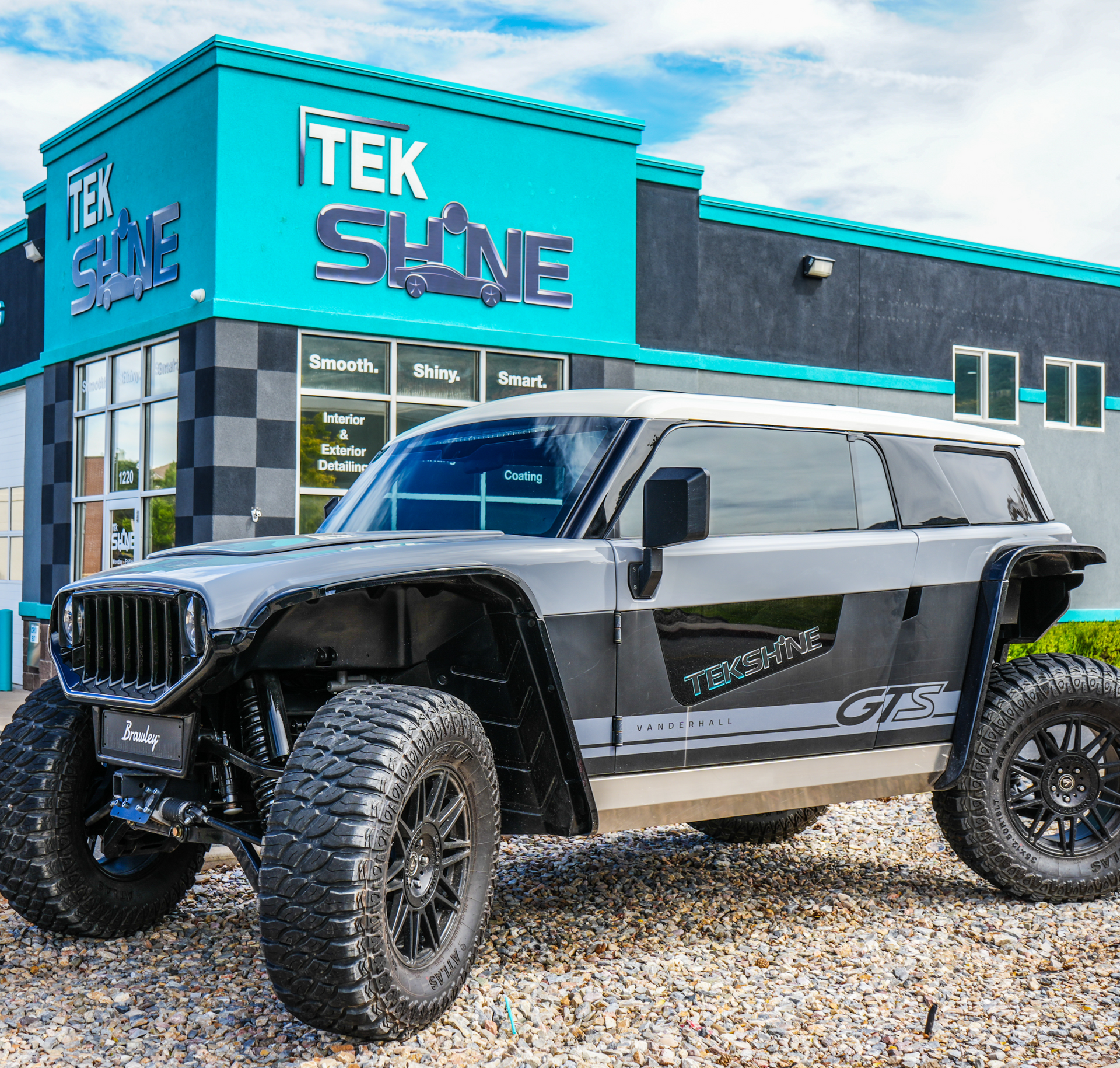
We're based in Cedar City because we understand what vehicles face here. We're a Llumar Authorized Installer, which means our PPF comes with manufacturer backing and proven durability. More importantly, we know the specific threats your vehicle faces: the gravel from ongoing I-15 expansion, the magnesium chloride soup that coats everything from November through March, and the UV intensity that fades paint faster here than in St. George or Salt Lake City.
When you protect your paint properly, you're not just preserving appearance. You're protecting resale value. A well-maintained vehicle with protected paint can command $2,000 to $5,000 more at trade-in compared to one with a chipped, faded hood and oxidized panels.
Protect Your Investment the Right Way
Your vehicle faces challenges in Cedar City that most cars never encounter. Between the elevation, the weather, and the roads, your paint is under constant attack. The question isn't whether to protect it. The question is how comprehensively you want that protection.
Whether you choose the physical armor of PPF, the chemical shield of ceramic coating, or the ultimate defense of both, the right protection today saves you money, time, and frustration tomorrow.
Ready to protect your vehicle with solutions designed for Southern Utah? Get a custom quote based on your specific vehicle and driving conditions.
Contact
TekShine in Cedar City today and let's build a protection plan that actually works for how you use your vehicle.
TekShine PPF, Ceramic Coating and Window Tinting