Ceramic Coating vs. Wax vs. Sealant: Real Test Results for Car Paint Protection in Southern Utah
Choosing the right protection for your car's paint can be overwhelming, with numerous options on the market. Ceramic coatings, waxes, and sealants each promise to keep your vehicle looking sharp. But how do they hold up in real-world conditions like those found in Southern Utah? The region's UV-intense summers, red desert dust, road debris from off-roading, and occasional hard freezes in Cedar City and Richfield present unique challenges for car owners. We tested all three protection methods over a full year to give you an honest picture of what lasts, what fades, and what really makes life easier when it comes to maintaining your vehicle's paint.
The Real Test: 12 Months of Observation
When you apply wax, sealant, or ceramic coating to your car, the initial shine is often impressive. However, real value shows itself over time. Daily driving, sun exposure, rain, road debris, and the environmental conditions in Southern Utah are tough on any vehicle. Our year-long test compared three identical cars, each protected with one of these products. We focused on four qualities that matter most in everyday ownership: how long the protection lasted, how well water beaded up and ran off, how easy the vehicle was to clean after dirt accumulated, and whether there were visible signs of fading or chemical etching on the paint.
Here are the results of our test:
| Metric | Ceramic Coating | Wax | Sealant |
|---|---|---|---|
| Longevity | Excellent – protection intact after 12 months | Poor – completely worn off after 3 months | Good – subtle breakdown after 6 months |
| Hydrophobic Properties | Outstanding water beading and runoff | Fair water resistance, diminished by month 2 | Good water resistance throughout most of the year |
| Ease of Cleaning | Very easy; dirt slides off effortlessly | Moderate; requires more effort as wax fades | Easy; dirt still repelled but less effectively than ceramic |
| Paint Discoloration | None observed | Minor discoloration from UV exposure | None detected |
The ceramic coating significantly outperformed wax and sealant in every meaningful category. Even at the twelve-month mark, the hydrophobic qualities of the ceramic coating remained strong, meaning water and grime continued to slide off cleanly. This translated to effortless maintenance and a finish that looked nearly as crisp as the day it was applied.
Wax showed its classic weakness quickly. By three months, its protective layer had nearly disappeared, leaving the paint more vulnerable to fading and staining. In Southern Utah, where UV intensity is higher than most areas, that three-month window passes quickly. Sealants performed better than wax but still showed signs of wear around the six-month mark. While they were easier to maintain than wax, they could not match the long-term protection of ceramic coatings.
Application Process: What Each One Actually Requires
The application process can influence a car owner's choice, as not everyone has the time, tools, or setup for an intensive process. Understanding the demands of each option helps you match the right product to your lifestyle.
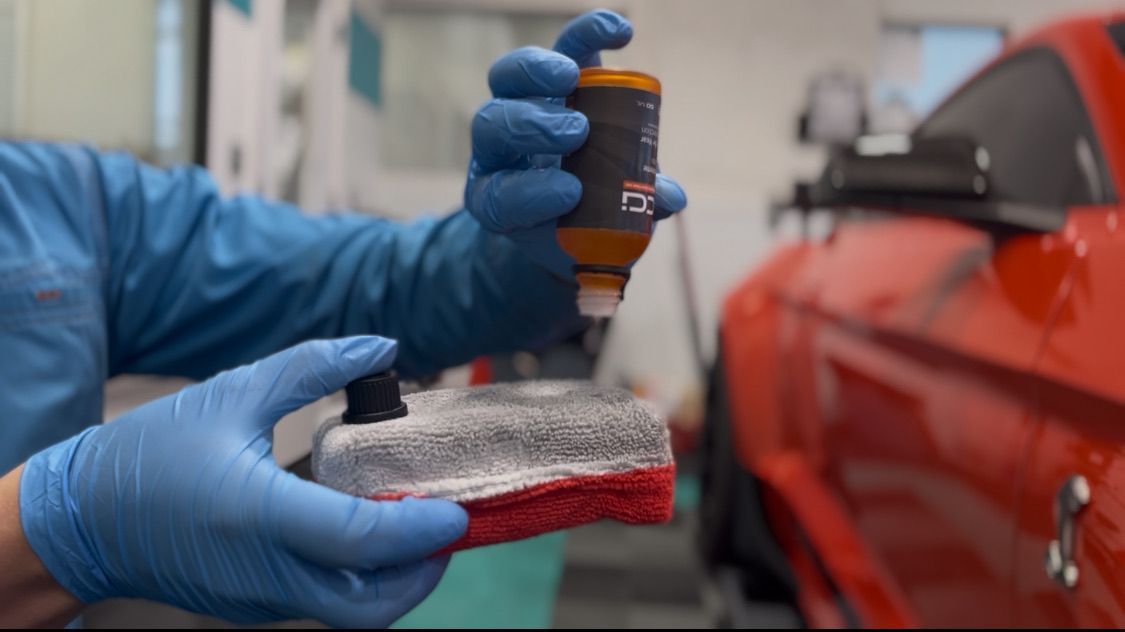
Ceramic coatings require the most preparation. The paint surface must be completely clean and smooth, which involves washing, clay bar decontamination, and polishing to remove any scratches or swirl marks. This preparation is crucial, as any imperfections left in the paint will be sealed under the coating. Professional application in a controlled environment consistently delivers the best results. After prep, the coating is applied with an applicator pad in thin, even coats. The coating does not cure instantly—it requires 24 to 48 hours free from moisture or disturbance to fully bond and harden.
Wax is the easiest to apply. After a basic wash and dry, wax is applied by hand or machine, allowed to haze, and then buffed off with a microfiber cloth. This entire process usually takes under an hour, making it an accessible option for those who want a quick cosmetic refresh.
Sealants sit between the two. They require more preparation than wax but less than ceramic coatings. The product is spread evenly with foam pads, and a few hours are needed for curing before buffing off any excess residue.
| Step | Ceramic Coating | Wax | Sealant |
|---|---|---|---|
| Surface Preparation | Thorough wash, clay bar, polish | Basic wash and dry | Wash and dry |
| Application Method | Applicator pad, thin even coats | Microfiber or applicator pad | Foam pad |
| Curing Time | 24 to 48 hours | None (haze then buff) | A few hours |
| Skill Level | High | Low | Moderate |
| Typical Duration | Several hours to a full day | Under 1 hour | 1 to 2 hours |
The trade-off is clear: ceramic coatings reward time investment with unmatched long-term protection, but they require precision and preparation. Wax offers immediate results but needs frequent reapplication. Sealants provide a solid middle ground for those who want more longevity than wax but are unwilling to invest as much time as ceramic coatings demand.
Durability in Real-World Conditions
When it comes to protecting your car's paint, durability under real-world stress is crucial. Southern Utah's scorching summers, occasional freezes, red desert dust, and off-road conditions challenge any protection product. Here's how each performed over the course of the year:
Ceramic coatings maintained their water-beading effect after 12 months on daily drivers—around 90% of them did. Sealants, while lasting longer than wax, showed significant wear after about six months, with only around 30% retaining comparable protection. Wax offered the least durability, with only 10% of wax-coated vehicles maintaining meaningful water repellency beyond the first couple of months.
Wax requires reapplication every two to three months to maintain its gloss and protective properties, while sealants last six months or longer before significant breakdown. Ceramic coatings, once professionally applied, can last several years without needing reapplication.
Performance Results: Shine, Maintenance, and Contaminant Resistance
Shine Quality:
Ceramic coatings deliver a deep, mirror-like finish that remains looking freshly detailed long after application. The coating chemically bonds with the paint, providing a reflective layer that outlasts both wax and sealants. Wax initially produces a striking, bright gloss, but this fades quickly. Sealants offer more longevity than wax but lack the depth of shine ceramic coatings provide.
Ease of Maintenance:
Ceramic coatings make maintenance easy. Dirt, grime, and water spots slide off the surface with little effort. For car owners dealing with Southern Utah’s red desert dust and road grime, this self-cleaning quality is invaluable. Waxed surfaces attract grime more easily as the wax degrades. Sealants offer moderate protection but don't perform as well as ceramic coatings in this regard.
Contaminant Protection:
After a full year of use, vehicles protected by ceramic coatings showed no signs of etching or staining from acid rain, bird droppings, or tree sap. Wax began showing minor etching marks within three months, especially in areas where the wax wore thin. Sealants performed better than wax but still showed slight deterioration after extended exposure to contaminants.
Our Final Recommendations
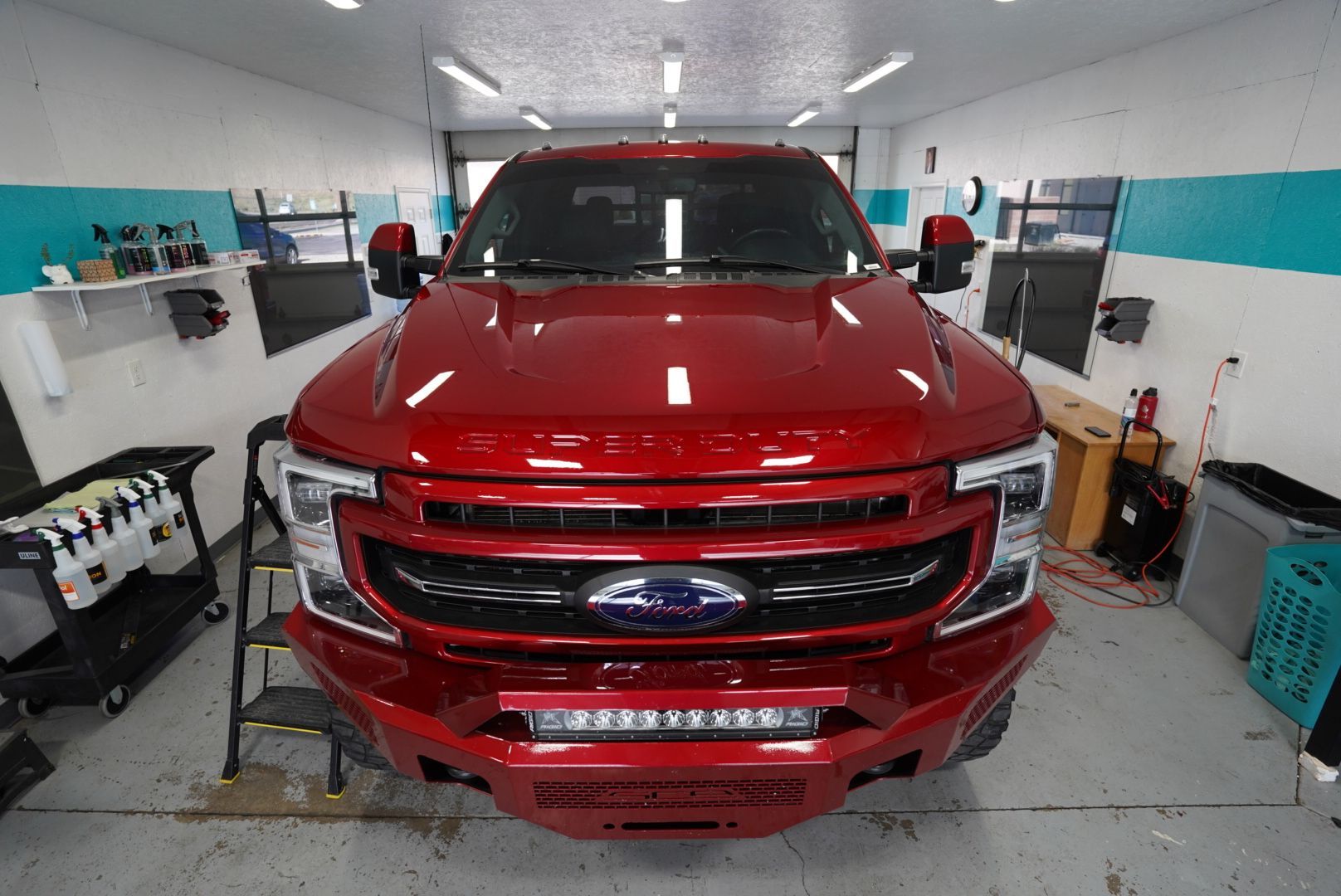
When durability, ease of maintenance, and long-term appearance are weighed together, ceramic coatings clearly emerge as the best choice. Their chemistry creates a tough, hydrophobic layer that defends paint against UV exposure, chemical damage, and environmental contaminants for years.
If you’re someone who enjoys the ritual of regular detailing or prefers the immediate shine that wax offers, it remains a valid choice. However, it requires frequent reapplications, and the protective benefits diminish quickly.
For those who want more durability than wax without the full investment of a ceramic coating, paint sealants offer a good middle ground. They bond better than waxes, last longer, and resist water, dirt, and chemicals more effectively.
Important Considerations:
Ceramic coatings resist chemical damage but do not make paint impervious to rock chips or physical scratches. Gentle washing is essential, no matter which protection you choose. Proper surface preparation—thorough decontamination and paint correction—is crucial for getting the best results with any protective layer.
Ready to Protect Your Vehicle the Right Way?
If you’re looking for the best paint protection for your vehicle in Southern Utah, TekShine offers professional ceramic coating services, paint protection film, and window tinting solutions.
Contact us or call us at (435) 383-8663 to learn more.
TekShine PPF, Ceramic Coating and Window Tinting