Ceramic coating is designed to improve gloss, simplify cleaning, and help protect automotive paint from environmental contamination. When water stops forming tight beads or the finish begins to look dull, many vehicle owners assume the coating has failed. In many cases, however, the coating is still present and simply covered by road film, mineral deposits, oils, pollen, brake dust, or other bonded contaminants.
Knowing the difference between coating failure and surface contamination can help you avoid unnecessary reapplication. It also allows you to choose the right maintenance service before performance problems become harder to correct.
For drivers in Cedar City, St. George, Hurricane, Richfield, and nearby Southern Utah communities, strong sunlight, dry dust, hard water, road debris, and seasonal contaminants can all affect how a coated surface looks and reacts to water.
Signs Your Ceramic Coating May Be Contaminated
Uneven performance is one of the clearest signs of contamination. The roof and upper doors may continue to bead water while the rocker panels, lower doors, rear bumper, and areas behind the wheels hold water or look dull. These lower areas collect more road film, brake dust, and grime, so they often lose visible hydrophobic behavior first.
A contaminated panel may also feel rough after washing. This texture can come from particles that have bonded to the surface and cannot be removed with a basic maintenance wash. Water spots, bug residue, tree sap, and iron particles may also reduce slickness and make the coating appear weaker than it is.
Beading should not be the only test. Some coatings naturally sheet water more than others, and surface tension can change because of contamination or maintenance products. The more useful question is whether the vehicle still cleans easily, maintains gloss, and shows improved water behavior after proper decontamination.
Signs the Ceramic Coating May Be Failing
True coating failure is more likely when poor performance appears across most of the vehicle and does not improve after careful cleaning and decontamination. Widespread loss of slickness, persistent staining, uneven gloss, and water behavior that remains flat after maintenance can indicate that the coating is nearing the end of its service life.
Wear may develop faster on the hood, front bumper, mirror caps, door handles, and lower body panels. Frequent automatic brush washes, harsh chemicals, neglected maintenance, and improper washing can shorten coating longevity.
Ceramic coating is not scratch-proof. It may help resist minor swirl marks and make washing safer when proper techniques are used, but it cannot prevent every scratch or physical impact. If new swirls begin appearing quickly despite careful washing, the issue may involve worn protection, incorrect wash methods, or both.
How to Check the Coating Before Reapplying It
Start with a visual inspection in natural light. Look for dull areas, water spots, rough texture, staining, and differences between panels. Then wash the vehicle using a pH-neutral automotive shampoo and clean microfiber wash media.
After rinsing, observe how water behaves. Compare upper panels with lower, high-contamination areas. If performance varies by location, contamination is more likely than complete coating failure.
Chemical decontamination should usually come before mechanical decontamination. Iron removers and tar removers can dissolve bonded material without aggressive rubbing when used according to the instructions. A clay bar or synthetic clay towel may remove remaining contamination, but mechanical decontamination can create light marring or affect the coating if used incorrectly. Professional inspection is the safer choice when the coating condition is uncertain.
If gloss, smoothness, and water behavior improve after decontamination, the coating is likely still active and may only need maintenance. If performance remains poor across the vehicle, a coating refresh or reapplication may be appropriate.
Effective Cleaning Methods for Ceramic-Coated Vehicles
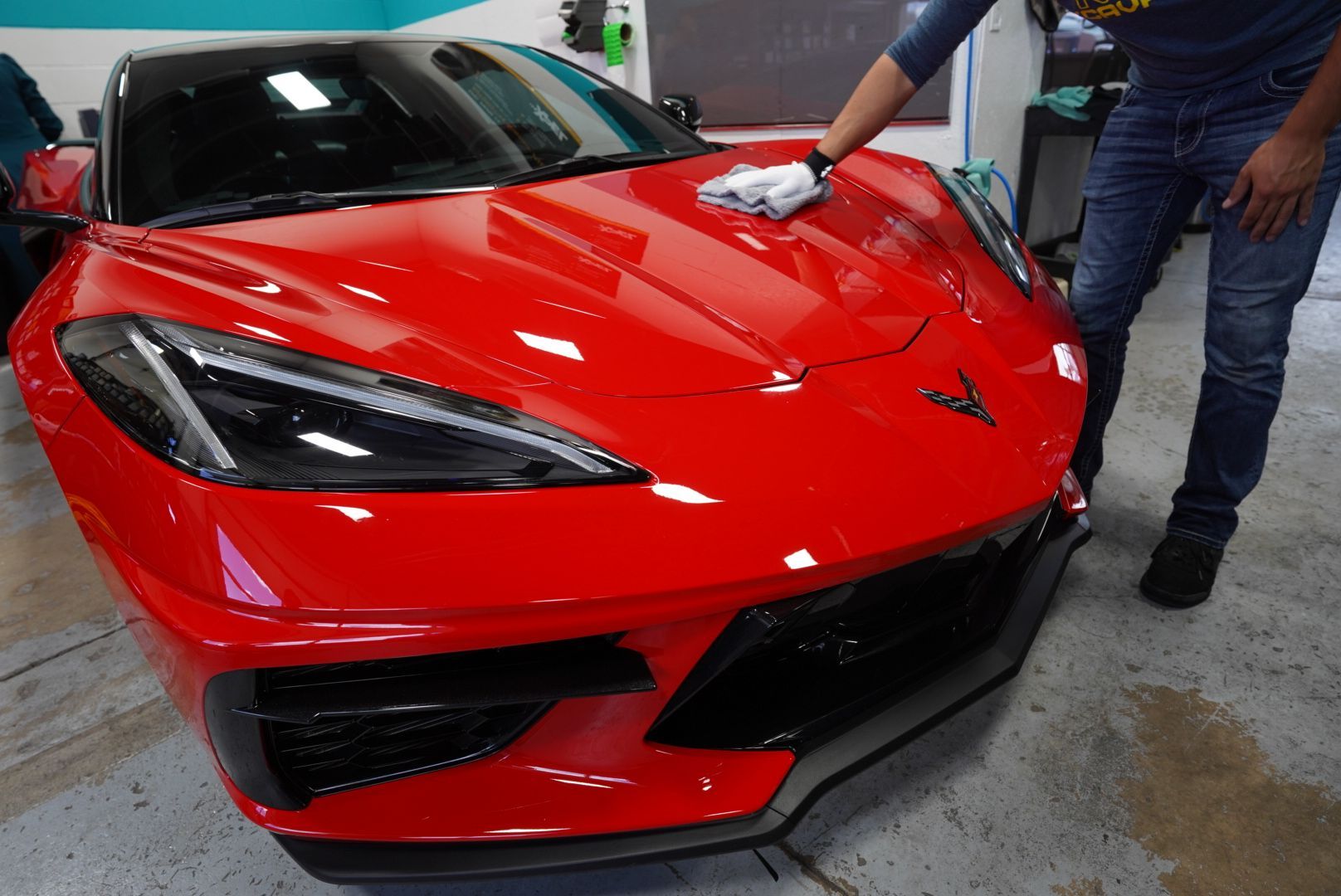
Begin with the least aggressive method that can remove the contamination. A prewash or foam application helps loosen dust and grit before physical contact. After rinsing, use a controlled hand-washing process with clean microfiber mitts.
Avoid household detergents, abrasive compounds, and strong degreasers unless a trained detailer confirms they are suitable for the specific coating. Harsh products can reduce hydrophobic performance and may shorten the coating's life.
Dry the vehicle with clean microfiber towels or filtered air. Allowing hard water to dry on the paint can leave mineral deposits that reduce gloss and beading, especially in Southern Utah. Existing water spots may require a dedicated mineral deposit remover or professional correction.
Ceramic Coating Maintenance for Long-Term Performance
Most coated vehicles benefit from hand washing every two to four weeks, although driving conditions, storage, weather, and mileage may require a different schedule.
A deeper decontamination service may be needed several times per year if the vehicle is exposed to heavy road film, construction dust, hard water, pollen, or winter contaminants. Coating-safe toppers can help restore slickness, but they should not be used to hide unresolved contamination.
Avoid automatic brush washes, dirty towels, aggressive scrubbing, and unverified products. These habits can introduce swirl marks and leave residue that changes how the coating performs. Consistent maintenance usually delivers better long-term results than occasional aggressive cleaning.
At TekShine, we evaluate the coating's condition, age, environment, and maintenance history before recommending cleaning, decontamination, polishing, or reapplication.
Professional Ceramic Coating Maintenance vs. DIY Care
DIY maintenance can work well for owners who have the correct products, clean tools, and safe washing experience. Regular hand washing, careful drying, and prompt removal of bird droppings or bug residue can preserve the coating between professional visits.
Professional service becomes more valuable when the coating has severe water spots, rough bonded contamination, inconsistent performance, or visible paint defects. A trained detailer can test a small area and determine whether the problem is contamination, product buildup, coating wear, or damage beneath the coating.
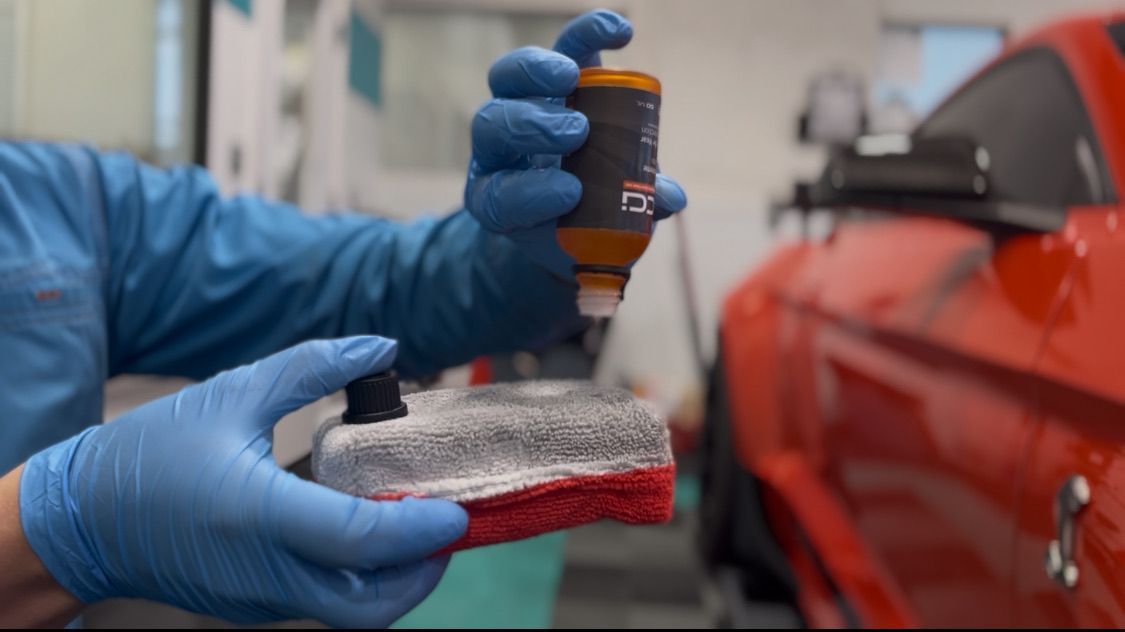
Professional ceramic coating installation also includes preparation that is difficult to reproduce without the right equipment. At TekShine, preparation may include washing, chemical decontamination, paint enhancement or paint correction, and controlled application. Proper preparation helps the coating bond evenly and supports consistent durability.
TekShine offers ceramic coating options ranging from shorter-term protection to the Revolution Ceramic Coating, which is designed for extended durability. Package details, warranties, preparation requirements, and expected service life should be reviewed before installation because results depend on the vehicle, coating package, use, and maintenance.
When Should You Schedule an Inspection?
Schedule an inspection if washing no longer restores gloss, water behavior remains poor after decontamination, or several panels show consistent signs of wear. Seek professional guidance before applying a new coating over an existing one. Reapplication without proper preparation can trap contamination and produce uneven results.
If your ceramic coating looks dull or no longer beads as expected, do not assume it has failed. A professional cleaning and inspection may restore performance without the cost of a complete reapplication.
For ceramic coating maintenance, inspection, or installation in Cedar City and surrounding Southern Utah communities,
contact TekShine or call (435) 383-8663.
TekShine PPF, Ceramic Coating and Window Tinting