Why Ceramic Coatings Stop Beading After 3 Months and How to Restore Water Repellency
If you've noticed your ceramic coating isn't producing the same tight water beads it did when it was first installed, you're not alone. Many vehicle owners assume their coating has failed when water stops beading after a few months. In reality, reduced beading is often caused by contamination and environmental exposure rather than coating failure.
For drivers in Cedar City, St. George, Hurricane, and Richfield, harsh UV exposure, desert dust, road grime, and mineral deposits can all affect how a ceramic coating performs. Understanding why this happens and how to restore water repellency can help you protect your investment and keep your vehicle looking its best.
Why Ceramic Coatings Stop Beading
Ceramic coatings create a protective layer that bonds with your vehicle's clear coat. This layer produces hydrophobic properties, meaning water beads up and rolls off the surface instead of spreading across it.
When beading begins to fade, the coating itself is not necessarily gone. In many cases, contaminants have built up on top of the coating, preventing it from performing properly.
Common causes include:
- Road dust and dirt
- Mineral deposits from hard water
- Bird droppings and tree sap
- Industrial fallout and brake dust
- UV exposure and environmental pollutants
- Improper washing methods
These contaminants form a thin layer over the coating, reducing its ability to repel water and maintain its glossy appearance.
Does Reduced Beading Mean the Coating Has Failed?
Not necessarily.
One of the biggest misconceptions about ceramic coatings is that a loss of water beading means the coating is no longer protecting the paint. While hydrophobic performance may decrease, the coating can still provide protection against contaminants, oxidation, and UV damage.
At TekShine, many customers throughout Southern Utah contact us because they believe their ceramic coating has failed. After a professional inspection and decontamination wash, the coating often regains much of its original water-repelling performance.
This is why regular maintenance is just as important as the initial installation.
How Environmental Conditions Affect Ceramic Coatings
Southern Utah presents unique challenges for vehicle protection.
Drivers in St. George, Cedar City, Hurricane, and Richfield regularly encounter:
- Intense UV exposure
- Desert dust and sand
- Extreme temperature fluctuations
- Hard water deposits
- Road debris and contaminants
Over time, these conditions can reduce the coating's surface energy, making it more difficult for water to bead and roll off effectively.
Vehicles that spend most of their time outdoors often experience faster contamination buildup compared to garage-kept vehicles.
Signs Your Ceramic Coating Needs Maintenance
If you're unsure whether your coating needs attention, look for these common warning signs:
- Water no longer beads or sheets properly
- Increased water spotting
- Reduced gloss and shine
- Dirt sticks to the surface more easily
- Paint feels rough to the touch
- The vehicle becomes harder to clean
These symptoms often indicate contamination buildup rather than coating failure.
How to Restore Water Repellency
The good news is that most ceramic coatings can be refreshed without complete reapplication.
1. Perform a Decontamination Wash
A standard car wash removes surface dirt, but it does not eliminate embedded contaminants.
Professional decontamination typically includes:
- Iron remover treatment
- Clay bar treatment
- Specialized coating-safe cleaning products
This process removes contaminants that block the coating's hydrophobic properties.
2. Inspect the Surface
Once the vehicle is clean, inspect the paint for roughness, water spots, or light surface defects.
In some cases, contamination may have created minor imperfections that affect water behavior on the surface.
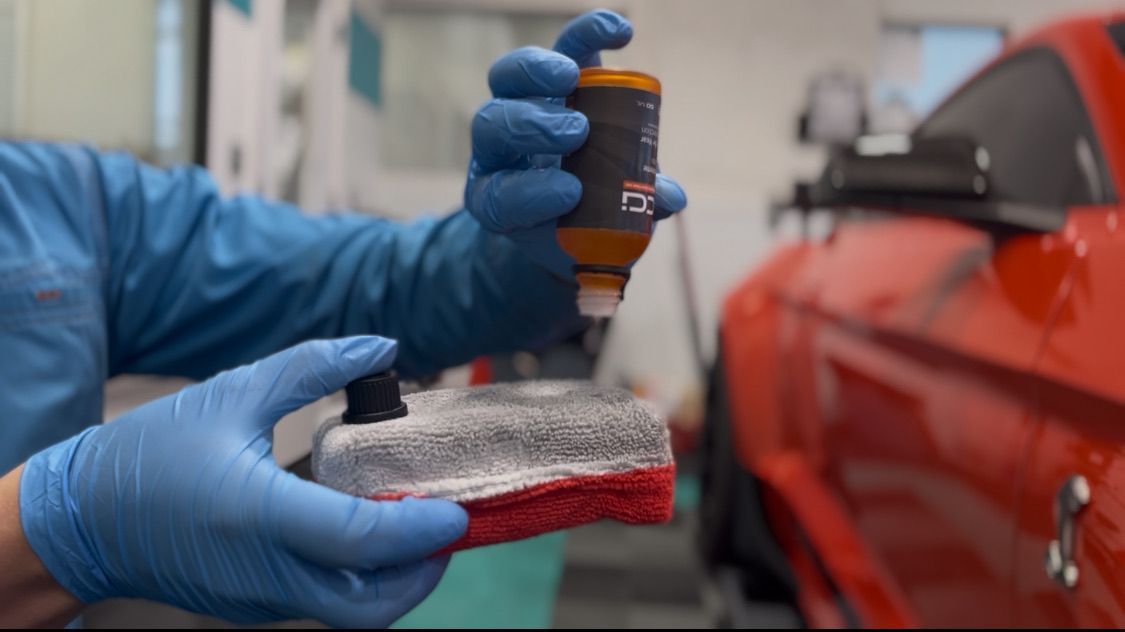
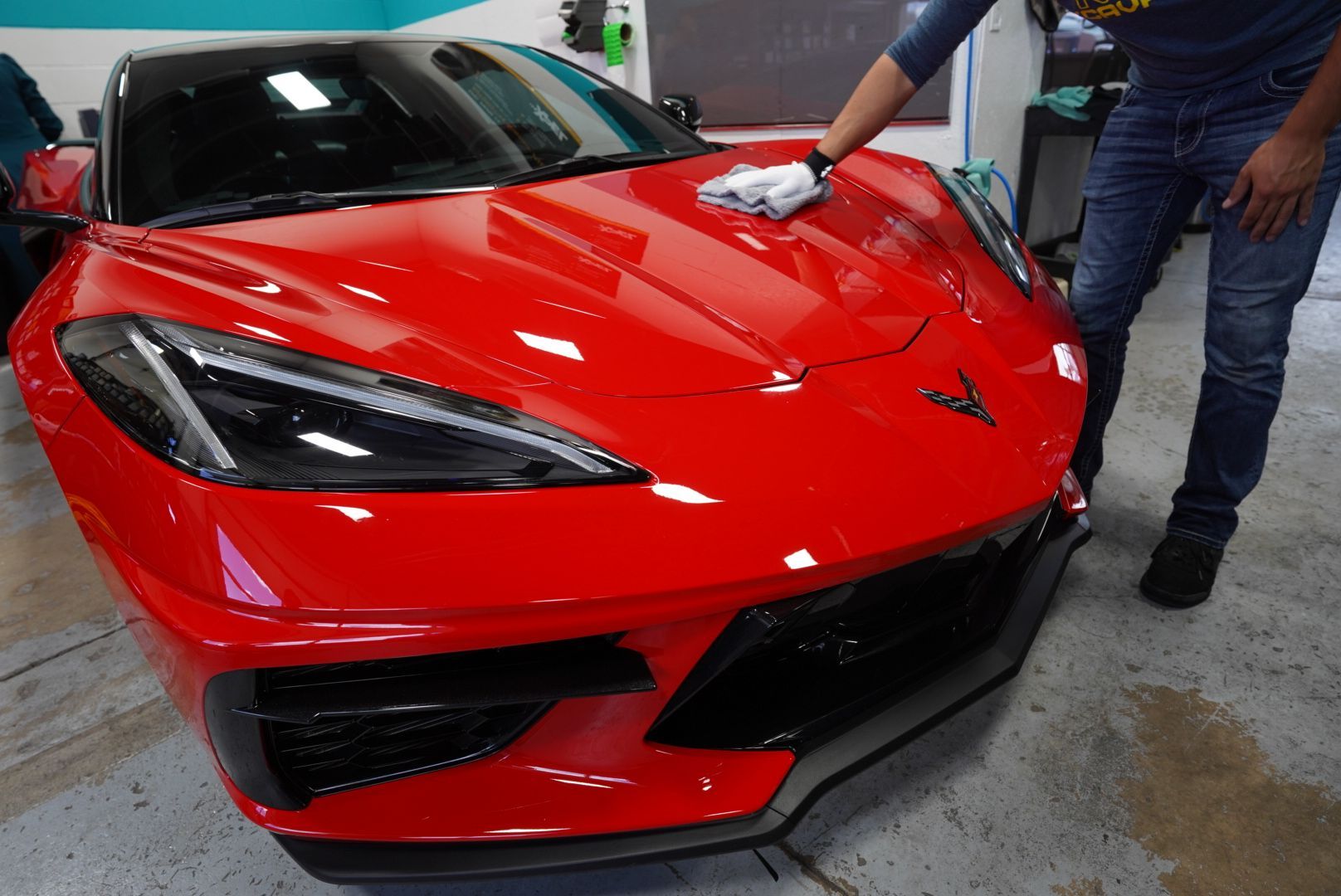
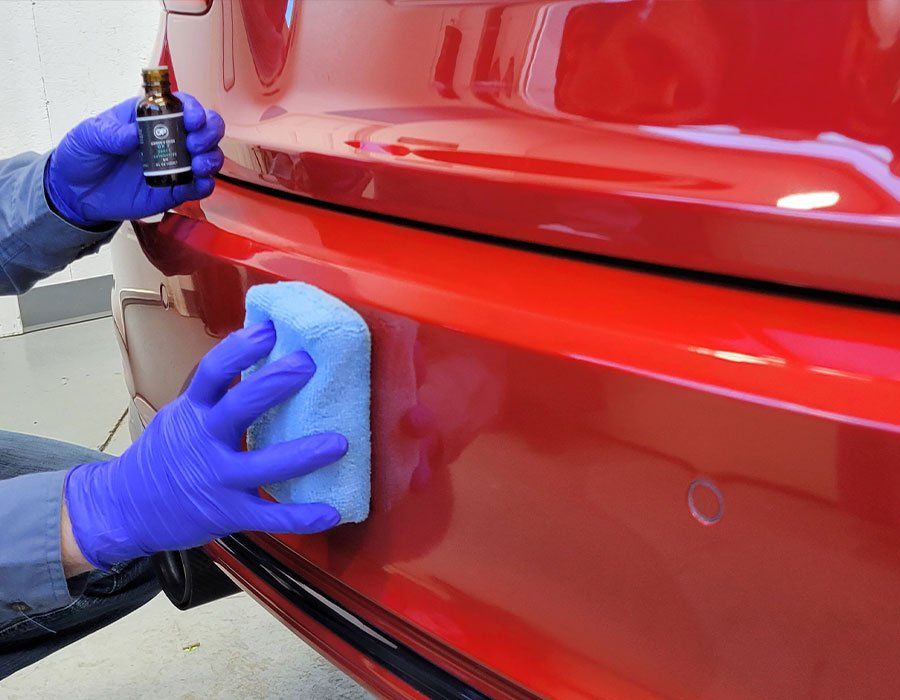
3. Apply a Ceramic Coating Booster
Ceramic coating maintenance sprays and boosters help restore hydrophobic performance and reinforce the existing coating.
These products are specifically designed to:
- Improve water beading
- Enhance gloss
- Extend coating life
- Add protection against future contamination
For many vehicles, this step alone can dramatically improve water repellency.
4. Schedule Professional Maintenance
Routine maintenance helps maximize the lifespan of your ceramic coating.
A professional inspection can determine whether your coating simply needs decontamination or if additional correction and protection services are recommended.

Best Practices for Long-Term Ceramic Coating Performance
A ceramic coating is not a maintenance-free solution. Proper care is essential for preserving its appearance and protective qualities.
To help your coating last longer:
Use pH-Neutral Car Wash Products
Harsh detergents can gradually weaken the coating and reduce hydrophobic performance.
Choose products specifically designed for ceramic-coated vehicles.
Avoid Automatic Car Washes
Many automated car washes use aggressive brushes and chemicals that can damage both paint and protective coatings.
Hand washing remains the safest option.
Wash Regularly
Routine washing removes contaminants before they can bond to the coating.
Most vehicles benefit from washing every two to four weeks depending on driving conditions.
Remove Contaminants Quickly
Bird droppings, bug residue, and tree sap should be removed as soon as possible to prevent staining and surface damage.
Use Maintenance Products
Ceramic coating booster sprays can help maintain gloss and water repellency between professional services.
Ceramic Coatings and Paint Correction
For vehicles with swirl marks, oxidation, or surface defects, paint correction may be recommended before ceramic coating installation.
Paint correction removes imperfections that can interfere with proper coating bonding and overall appearance.
Many TekShine customers choose paint correction and ceramic coating services together to achieve maximum gloss, protection, and long-term performance.
Frequently Asked Questions
Why does my ceramic coating stop beading after a few months?
The most common cause is contamination buildup. Dirt, mineral deposits, and environmental pollutants can block the coating's hydrophobic properties even when the coating itself remains intact.
Does a ceramic coating still work if it doesn't bead?
Yes. Reduced beading does not automatically mean the coating has failed. The coating may still be providing protection against UV rays, contaminants, and oxidation.
Can water repellency be restored?
In many cases, yes. Professional decontamination and ceramic coating maintenance products can often restore much of the original hydrophobic performance.
How often should ceramic coatings be maintained?
Maintenance schedules vary depending on driving habits and environmental conditions. Most vehicles benefit from periodic inspections and maintenance treatments throughout the year.
Protect Your Investment with Professional Ceramic Coating Care
If your ceramic coating has stopped beading, don't assume it needs to be replaced. In many cases, professional maintenance can restore water repellency, enhance gloss, and extend the life of your coating.
At TekShine, we help drivers throughout Cedar City, St. George, Hurricane, and Richfield maintain their ceramic coatings with professional inspections, decontamination services, paint correction, and vehicle protection solutions.
Contact TekShine today to schedule a ceramic coating evaluation and discover how professional maintenance can keep your vehicle protected and looking its best for years to come.
TekShine PPF, Ceramic Coating and Window Tinting