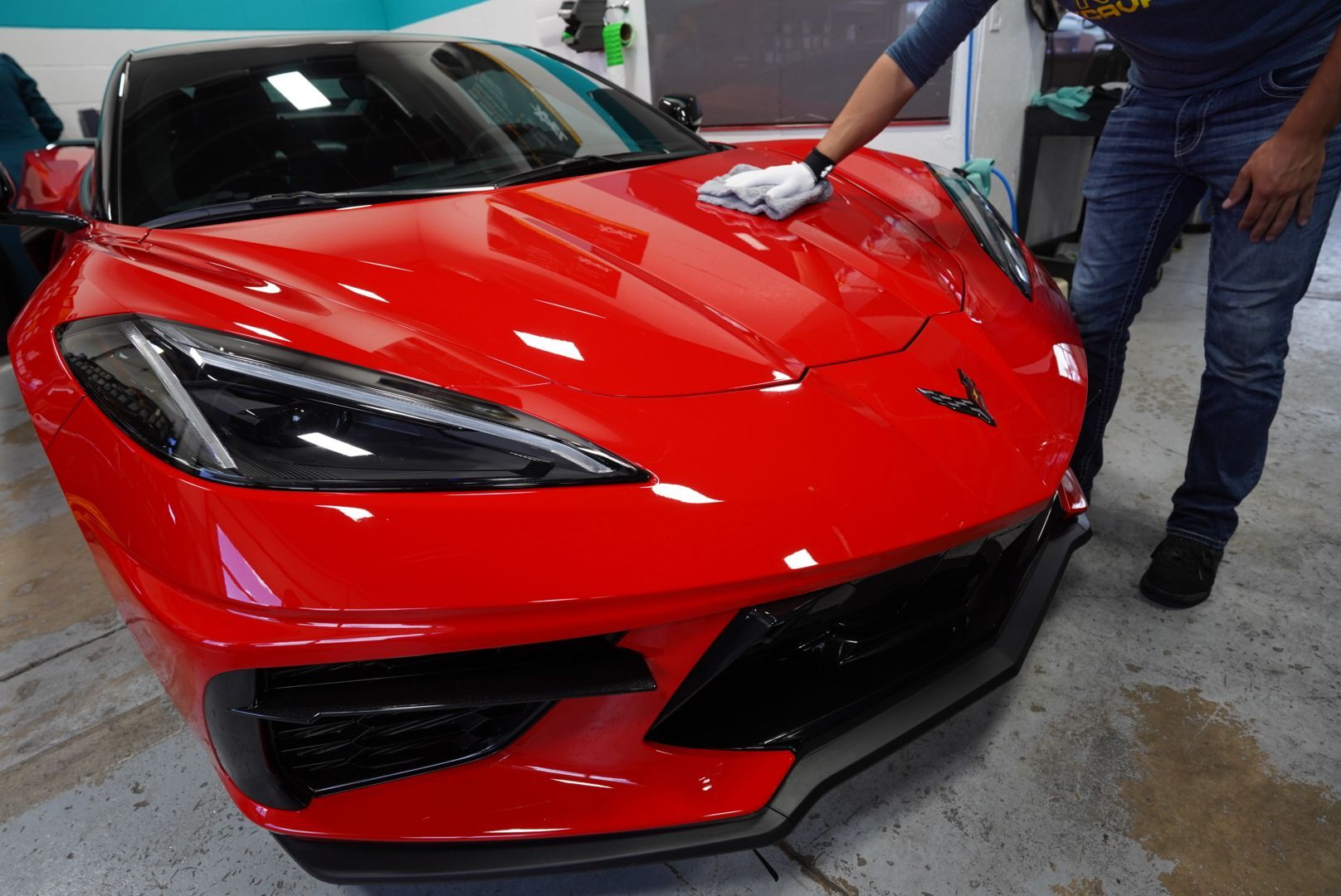
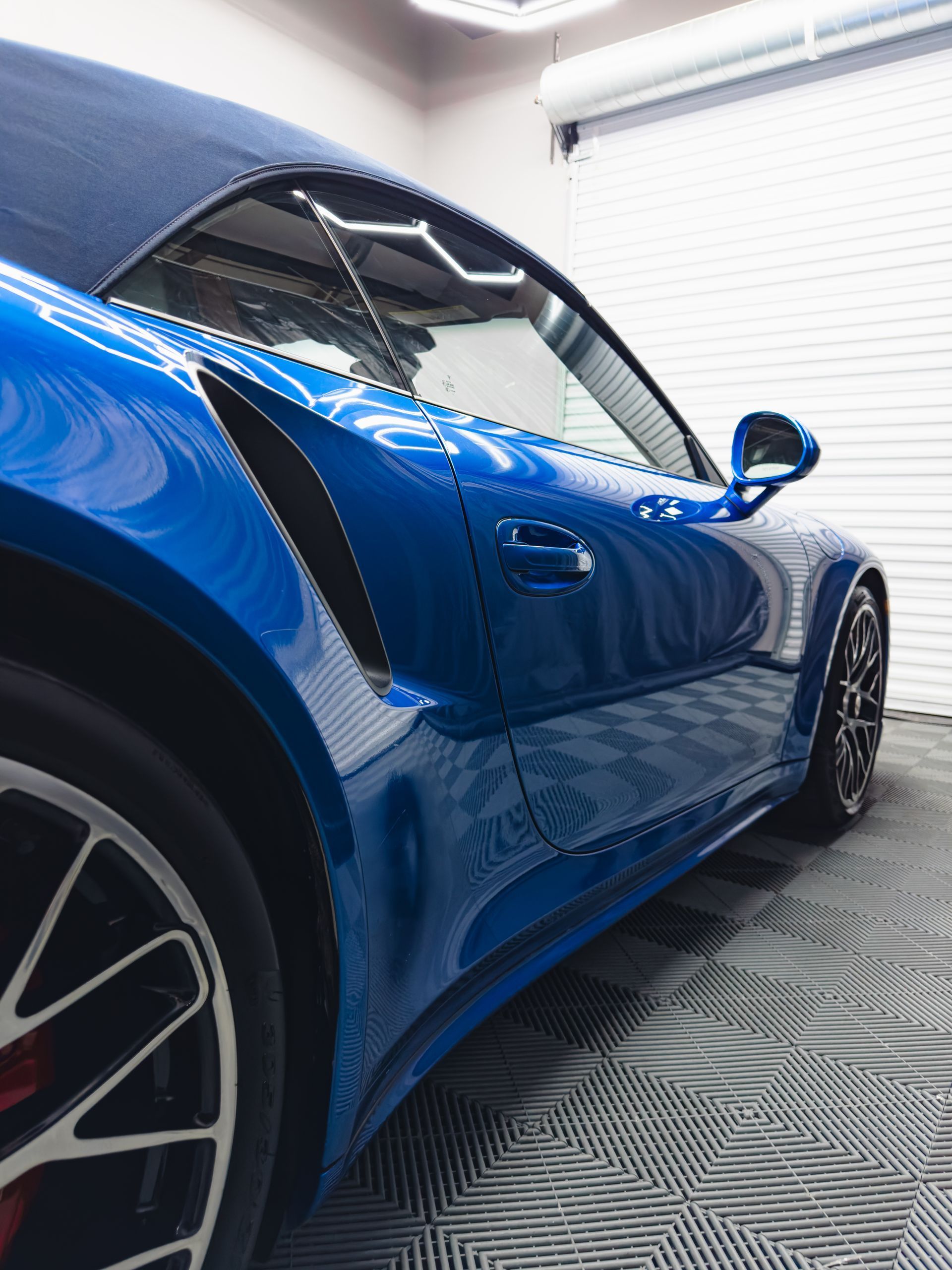
The car parts that typically benefit most from paint protection film (PPF) during gravel-road driving include the front bumper, hood, front fenders, mirrors, rocker panels, and lower doors. These areas frequently encounter flying stones, tire-thrown debris, and abrasive road conditions.
For drivers around Cedar City and Southern Utah, choosing the right PPF coverage can help reduce paint damage while preserving the vehicle's appearance. The best protection depends on the vehicle's design, driving frequency, and road conditions.
Front Bumper, Hood, and Fenders
The front bumper, hood, and front fenders are among the most exposed areas when driving on gravel roads, chip-seal pavement, or construction routes.
The front bumper encounters airborne stones thrown by surrounding traffic. Meanwhile, the hood and front fenders can develop paint chips from repeated debris impacts.
Even small stones can damage the clear coat or underlying paint when traveling at sufficient speed. Exposed metal may eventually develop corrosion if damaged areas are left untreated.
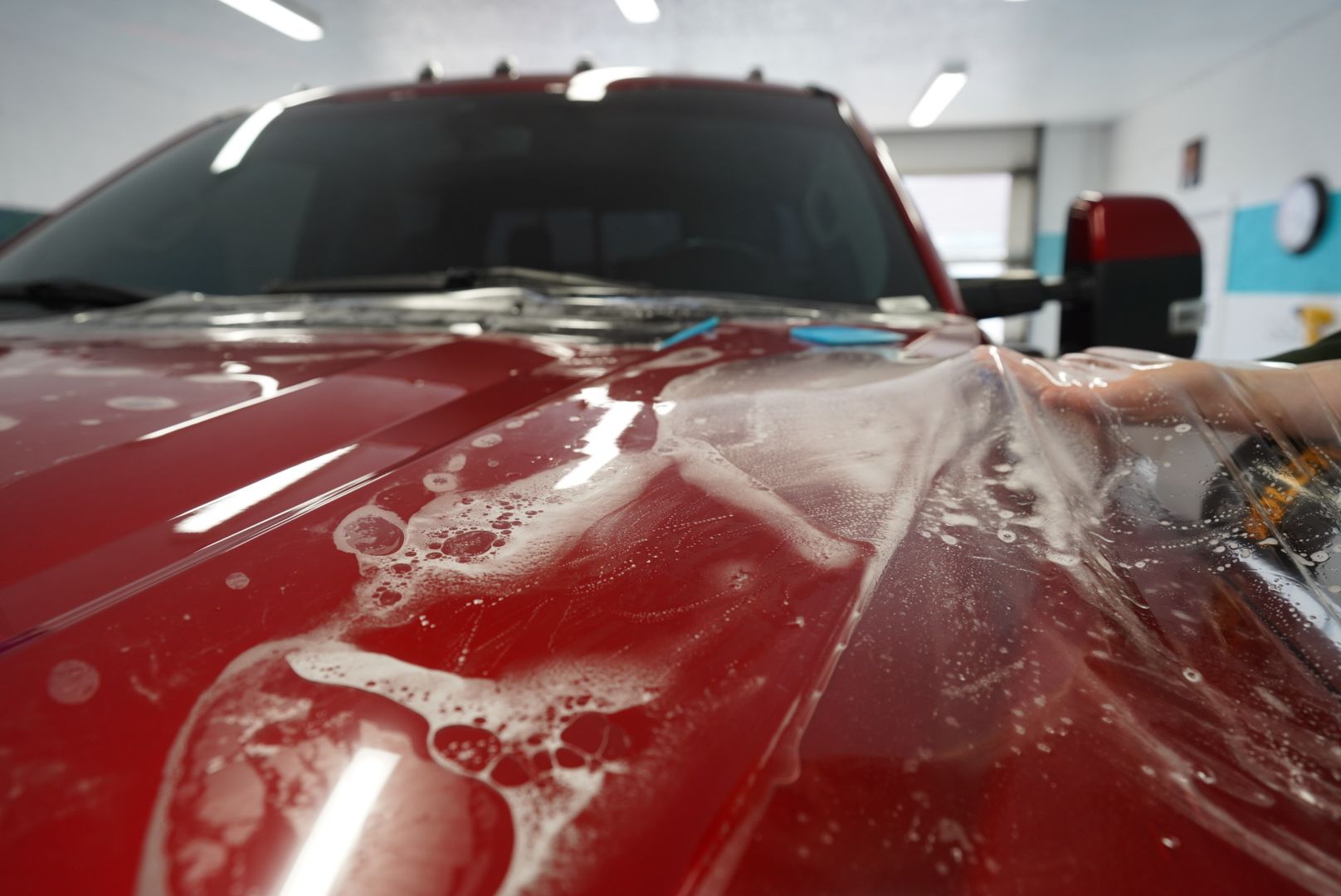
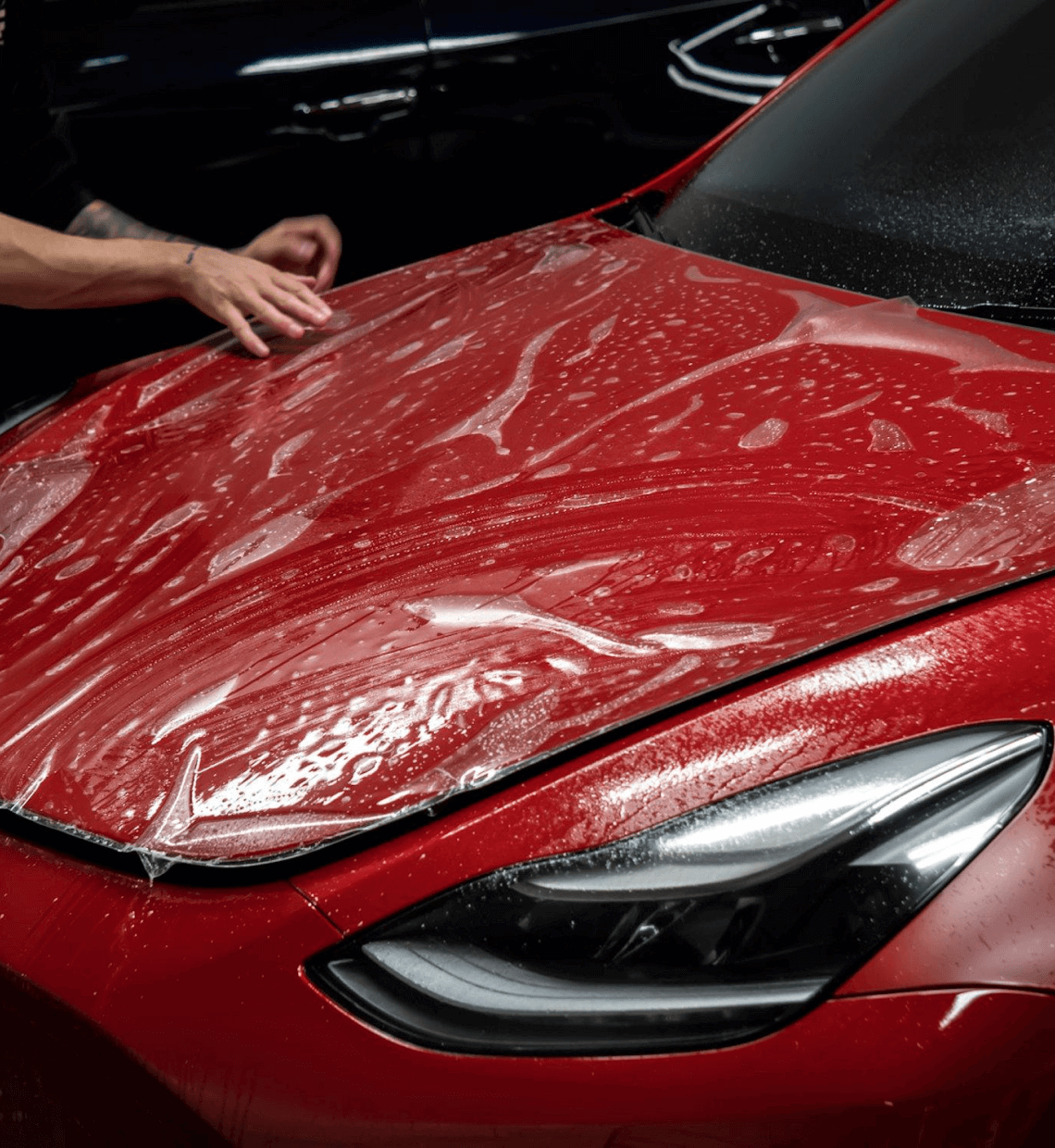
Paint protection film for gravel roads provides a transparent protective layer that helps absorb minor impacts before they reach the original finish.
Drivers who frequently travel behind trucks or use gravel access roads may benefit from protecting these front-facing panels first.
However, protection priorities can differ for trucks, SUVs, and vehicles with larger tires or modified suspension systems.
Mirrors, Headlights, and Windshield Pillars
Side mirrors, headlights, and windshield pillars are additional areas worth considering for PPF installation.
Mirror housings extend beyond the vehicle's main body and can encounter flying debris. Their curved surfaces may also make paint imperfections more noticeable.
Headlight lenses are another consideration. Road debris can cause surface pitting, while sunlight and environmental exposure may contribute to deterioration over time.
Compatible protective film can help reduce minor surface damage, although it cannot eliminate every impact or prevent all forms of lens aging.
The A-pillars beside the windshield and the leading roof edge can also receive debris impacts, depending on vehicle shape and driving conditions.
For drivers seeking broader front-end protection, covering these smaller areas may provide a more complete solution than protecting the hood and bumper alone.
Rocker Panels, Lower Doors, and Rear Impact Areas
Not all gravel-related paint damage occurs at the front of a vehicle.
Rocker panels, located along the lower sides between the wheels, are frequently exposed to debris thrown outward by the tires.
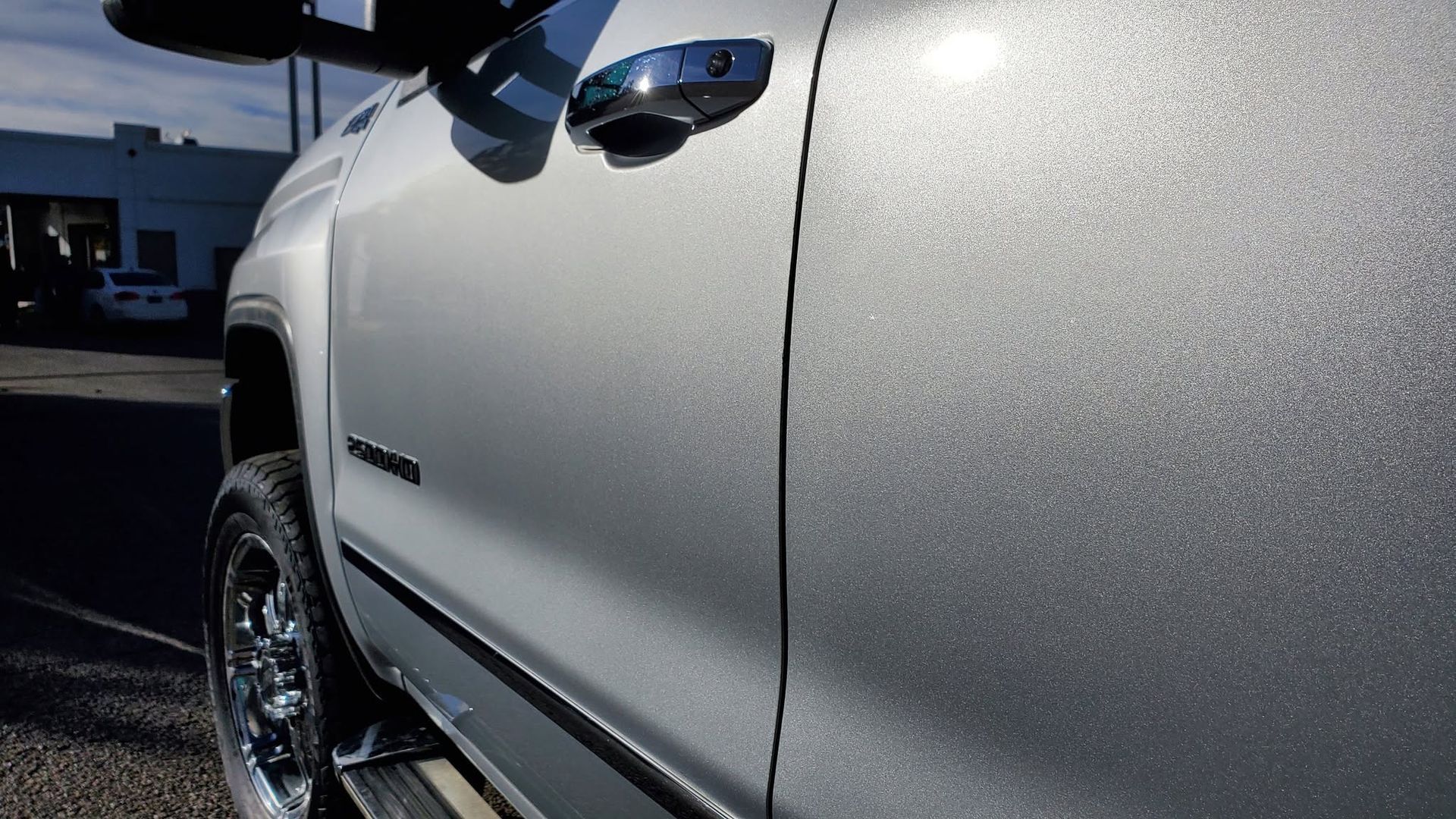
Lower doors can experience similar impacts, especially on vehicles with aggressive tire tread or limited lower-body protection.
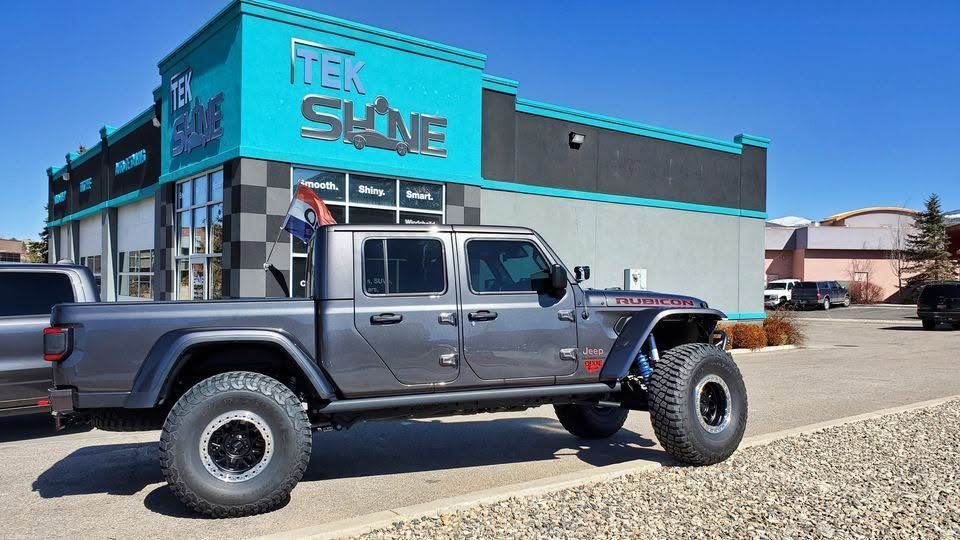
For trucks and SUVs traveling on unpaved roads around Cedar City, rocker panel PPF may deserve particular attention.
Door edges and handle cups face different risks. Door edges can develop chips from contact with nearby objects, while handle cups commonly experience light marks from fingernails, keys, and everyday use.
The rear bumper top and trunk ledge may benefit from protection against loading scuffs, cargo handling, and other routine contact.
A custom PPF package targeting these areas can sometimes provide better value than choosing coverage based solely on the vehicle's front end.
What Paint Protection Film Can and Cannot Prevent
Modern PPF is designed to protect painted surfaces against certain environmental hazards and minor physical impacts.
Llumar paint protection film used by TekShine features self-healing and hydrophobic properties.
Self-healing technology can help reduce the appearance of light surface marks under appropriate conditions. Hydrophobic characteristics can also make routine cleaning easier.
However, PPF is not indestructible.
Large stones, sharp debris, and high-energy impacts may still damage the film or underlying finish. Self-healing properties also do not repair deep cuts or missing paint.
PPF differs from ceramic coating, which primarily improves surface characteristics such as gloss, chemical resistance, and cleaning convenience.
Ceramic coatings are not designed to provide the same impact protection as paint protection film.
For regular gravel-road driving, PPF is generally the more appropriate choice when rock-chip resistance is the main priority.
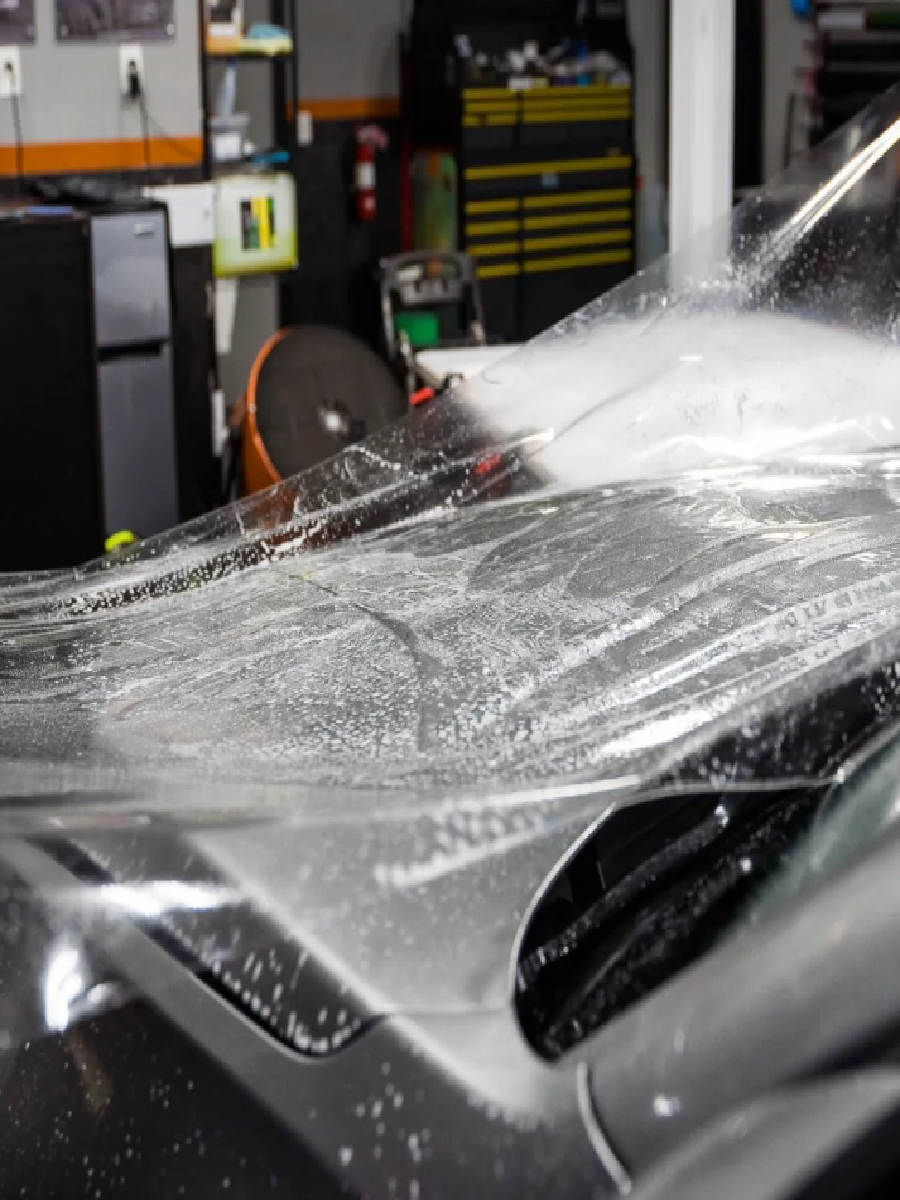
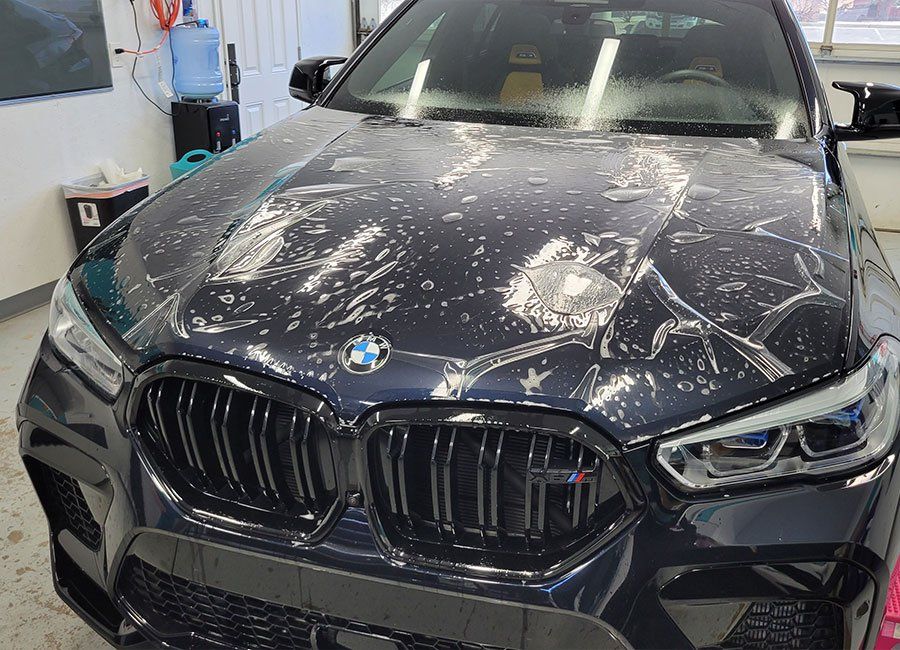
Installation and Maintenance for Gravel-Road Vehicles
Proper preparation and installation are essential for achieving a clean PPF finish.
At TekShine, our trained Llumar installation team prepares the vehicle through inspection, cleaning, decontamination, and appropriate paint preparation.
The film is then measured, fitted, and installed over the selected surfaces.
Existing paint defects should be evaluated before installation because PPF does not automatically repair damage beneath it.
After installation, follow the recommended settling period before washing the vehicle. Specific aftercare instructions depend on the film and installation conditions.
When cleaning, use gentle methods and suitable automotive products. Avoid abrasive brushes and aggressive cleaning techniques that may damage film surfaces or edges.
After traveling on dusty roads, rinse loose debris before making contact with the paint or film. Never wipe a heavily dust-covered vehicle with a dry towel.
Slowing down on gravel roads and maintaining distance from other vehicles can also help reduce debris impacts.
Protect Your Vehicle With PPF in Cedar City, UT
Gravel roads can expose your vehicle to repeated stone impacts, particularly around the front bumper, hood, mirrors, rocker panels, and lower doors.
Choosing suitable PPF coverage helps protect these vulnerable areas without necessarily requiring the most extensive package.
At TekShine, we help drivers throughout Cedar City and surrounding Southern Utah communities compare partial-front, full-front, and custom protection.
Explore our paint protection film services or request a free quote to find coverage suited to your vehicle and driving conditions.
Frequently Asked Questions
Which car parts should receive PPF first?
The front bumper, hood, and front fenders are common priorities. Rocker panels and lower doors may be equally important for vehicles frequently traveling on gravel.
Is full-front PPF better for gravel roads?
Full-front PPF generally provides broader coverage than partial-front packages, but custom lower-body protection may also be valuable.
Should trucks and SUVs have rocker panel PPF?
Rocker panel PPF can be beneficial for trucks and SUVs because their tires may throw debris against lower body panels.
Does PPF prevent every rock chip?
No. PPF helps reduce damage from certain impacts, but large or sharp debris can still penetrate or damage the film.
How should I clean PPF after gravel-road driving?
Rinse away loose dirt before washing, use nonabrasive cleaning products, and follow the film installer's care instructions.
TekShine PPF, Ceramic Coating and Window Tinting