Does Factory Privacy Glass Block Heat Like Ceramic Tint?
Factory privacy glass can reduce visible sunlight, but it does not necessarily provide the same heat rejection as ceramic window tint. Privacy glass primarily creates a darker appearance, while ceramic film is engineered to limit solar heat transmission and provide additional UV protection. Actual performance depends on the glass, film, and vehicle.
For drivers in Cedar City and surrounding Southern Utah communities, understanding this difference can help when choosing a window tinting solution.
Why Dark Factory Glass Can Still Let Heat Inside
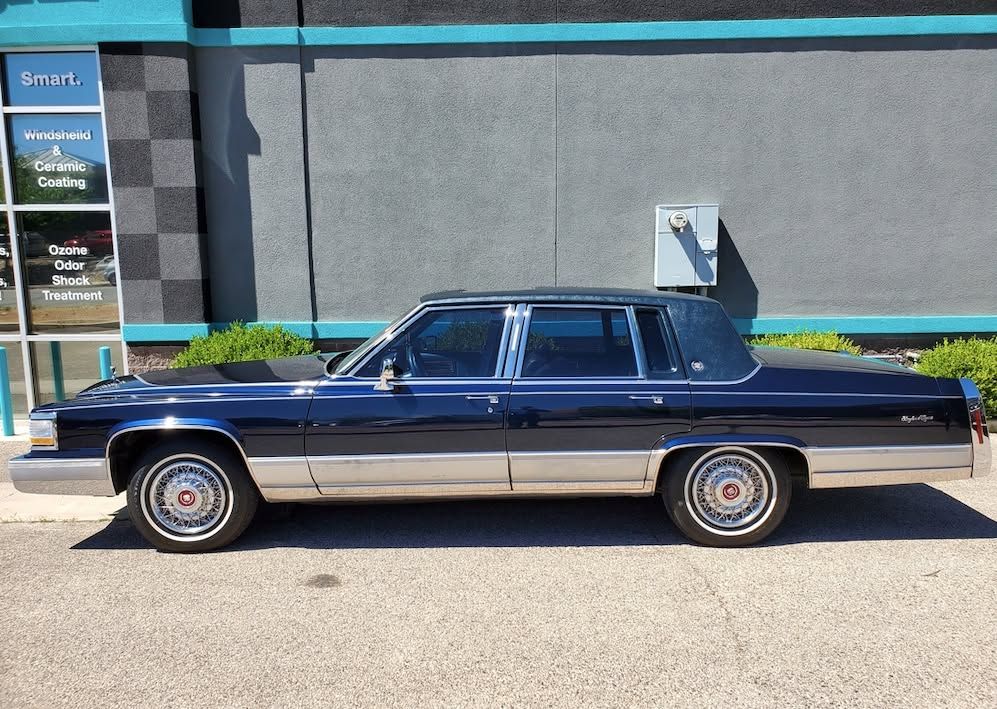
Factory privacy glass commonly appears on the rear windows of SUVs, trucks, and other vehicles. Its darker appearance helps reduce visibility into the cabin and can limit glare.
Unlike aftermarket window tint, factory privacy glass usually gets its appearance from coloring incorporated during manufacturing. It is part of the glass rather than a separate film.
However, darker glass does not automatically mean better heat rejection. Solar energy includes visible light, ultraviolet radiation, and infrared radiation. Different automotive glass constructions manage these components differently.
Some factory glass provides meaningful UV and solar protection, while other configurations prioritize privacy. This means two vehicles with similarly dark windows may perform differently under sunlight.
During sunny conditions in Cedar City or St. George, a vehicle can still accumulate substantial interior heat despite having dark rear windows.
How Factory Privacy Glass and Ceramic Tint Differ
The main difference between factory privacy glass and ceramic tint is their intended function.
Factory privacy glass is primarily designed to provide privacy and reduce visible light transmission. Its additional heat and UV protection varies by vehicle manufacturer and glass specification.
Ceramic window tint uses an aftermarket film containing nonmetallic ceramic technology designed to manage solar energy. Depending on the product, it can improve infrared heat rejection, UV protection, and glare control.
High-quality ceramic films also offer different visible light transmission levels, allowing drivers to balance appearance, comfort, and visibility.
Because ceramic films use nonmetallic technology, they are designed to avoid the electronic signal interference sometimes associated with metallic films.
At TekShine, we offer XPEL window tinting solutions for drivers seeking greater comfort and interior protection.
Understanding Heat Rejection and UV Protection
When comparing automotive window films, understanding performance measurements is more useful than judging darkness alone.
Total Solar Energy Rejection (TSER) measures the percentage of total solar energy rejected by a glazing system or film under specified testing conditions. It considers infrared, visible, and ultraviolet energy.
Infrared Rejection (IRR) measures performance against infrared radiation. However, manufacturers may use different wavelength ranges, so infrared percentages are not always directly comparable.
Visible Light Transmission (VLT) indicates how much visible light passes through glass or film. A lower percentage creates a darker appearance.
UV Rejection describes how effectively a product blocks specified ultraviolet radiation. Factory automotive glass already provides varying levels of UV protection, particularly depending on its construction.
TekShine offers XPEL Prime XR and Prime XR Plus ceramic films. Its published service information describes Prime XR as providing up to 85% infrared rejection and up to 99% UV rejection, while Prime XR Plus offers up to 98% infrared rejection.
These are advertised product-performance figures, not guaranteed cabin-temperature reductions. Performance varies by film selection, testing method, and existing glass.
Can You Install Ceramic Tint Over Factory Privacy Glass?
Yes. Ceramic window tint can generally be installed over compatible factory privacy glass, provided the glass is suitable and the finished installation meets applicable legal requirements.
However, adding film further reduces visible light transmission.
For example, applying film rated at 50% VLT over factory glass rated at 20% VLT could theoretically produce approximately 10% combined VLT before accounting for other factors.
That darker result may improve privacy but reduce visibility at night, particularly when reversing or driving through poorly lit areas.
If additional privacy is not your main concern, a lighter ceramic film may be preferable. Certain lighter films provide useful solar protection without dramatically changing the original appearance.
Professional evaluation is especially important for rear windows containing defroster elements or glass-mounted electronics.
Your installer should also explain the appropriate film-curing and rear-defroster aftercare instructions for your installation.
Utah Window Tint Laws and Visibility Requirements
Before choosing ceramic tint in Cedar City, understand Utah's window tint regulations.
Under Utah Code Section 41-6a-1635, front side windows generally must allow at least 35% visible light transmission. The law includes a 5% variance for law enforcement meter readings, which should not be treated as permission to intentionally install noncompliant tint.
Windshields generally must allow at least 70% light transmission. A permitted upper windshield strip must remain within the AS-1 line or top four inches, whichever is lower.
Rear side and rear windows may have darker tint, subject to applicable requirements. Metallic or mirrored appearances are prohibited, and vehicles with window tinting generally require exterior mirrors on both sides, with specified exceptions.
Importantly, legal compliance depends on the combined VLT of the glass and installed film, not the film rating alone.
TekShine can help customers consider their vehicle's existing glass and appropriate film choices. Drivers should also review the Utah Highway Patrol window tint requirements.
When Is Factory Privacy Glass Enough?
Factory privacy glass may be sufficient when your primary goal is rear-window privacy and you are satisfied with your vehicle's existing comfort.
It can provide a darker appearance without requiring an additional film installation.
However, drivers frequently exposed to strong sunlight may benefit from ceramic window tint, particularly when their existing glass offers limited solar heat rejection.
Ceramic film can help reduce incoming solar energy and provide additional UV protection. This may improve passenger comfort and help reduce sun-related deterioration of certain interior surfaces.
The best choice depends on your vehicle, driving habits, parking conditions, and preferred appearance.
Drivers in Cedar City, St. George, Hurricane, and Richfield should prioritize verified film performance rather than assuming the darkest tint provides the greatest protection.
Find the Right Ceramic Tint for Your Vehicle
Factory privacy glass can offer useful privacy, but ceramic window tint may provide additional heat rejection and UV protection. Choosing the right film requires balancing performance, legal compliance, appearance, and nighttime visibility.
At TekShine, we help Southern Utah drivers compare their options without relying on window darkness alone.
Contact TekShine or call (435) 383-8663 to discuss ceramic tint options for your vehicle.
Frequently Asked Questions
Does factory privacy glass block heat like ceramic tint?
Not necessarily. Factory privacy glass primarily provides a darker appearance, while ceramic tint is designed to provide additional solar heat rejection. Performance varies by product and glass type.
Does factory privacy glass block UV rays?
Yes, factory automotive glass can block some UV radiation, but protection varies by glass construction. Ceramic film may provide additional UV protection.
Can ceramic tint be installed over privacy glass?
Yes, on suitable glass. However, adding film reduces combined visible light transmission and may affect nighttime visibility.
Is darker ceramic tint better for heat rejection?
Not always. Heat rejection depends on film technology and performance specifications, not darkness alone.
What should I check before installing ceramic tint?
Review your existing glass, Utah tint regulations, desired visibility, and the manufacturer's published film specifications.
TekShine PPF, Ceramic Coating and Window Tinting