Ceramic Coating Cure Time: What to Expect After Installation
How long does ceramic coating take to cure after installation? The answer depends on the coating formula, temperature, humidity, and manufacturer's instructions. Many professional coatings undergo an initial setting period followed by several days of additional curing, but there is no single timeline that applies to every product.
Understanding ceramic coating cure time helps you protect your vehicle after installation. At TekShine in Cedar City, UT, we recommend following the aftercare instructions provided for your specific ceramic coating package.
How Long Does Ceramic Coating Take to Cure?
Ceramic coatings require time to develop their intended protective properties after application.
Many professional automotive coatings use silicon-based chemistry designed to form a durable protective layer over properly prepared surfaces.
During curing, chemical reactions and changes within the coating help develop characteristics such as chemical resistance, surface durability, and water repellency.
Some professional coating systems recommend an initial protection period of approximately 12 to 24 hours, followed by a longer period of restricted washing or chemical exposure.
Other formulations have different requirements, making manufacturer guidance essential.
A coating that looks dry or feels smooth may still be undergoing curing. Appearance alone cannot establish whether it is ready for washing or exposure to harsh cleaning products.
Initial Cure vs. Full Cure
Initial curing and full curing describe different stages of coating development.
During the initial stage, the coating begins forming its intended surface structure. Environmental conditions and the product's chemistry influence how this process progresses.
The manufacturer may require the vehicle to remain protected from moisture, contact, or contamination during this period.
Full curing refers to the later stage when the coating has developed its intended performance characteristics under specified conditions.
Some professional coatings require several days or longer before certain cleaning methods or chemical exposures are recommended.
However, initial cure time, water-exposure restrictions, and final wash recommendations are not necessarily identical.
For this reason, drivers should request clear instructions covering each stage rather than relying on a general two-week rule.
How Temperature and Humidity Affect Curing
Temperature and humidity can influence ceramic coating application and curing.
High temperatures may cause certain products to flash or set too quickly during installation, making application more difficult.
Cold conditions can slow chemical reactions in some coating formulations.
Humidity can also affect curing because certain coatings rely on environmental moisture during their chemical processes.
However, the ideal temperature and humidity ranges differ between products. Conditions suitable for one coating may not be appropriate for another.
These considerations are particularly relevant in Cedar City, where seasonal weather includes dry conditions, warm afternoons, and freezing winter temperatures.
Professional indoor application helps technicians control the installation environment, but post-installation care remains important.
Drivers throughout Cedar City, St. George, Hurricane, and Richfield should follow their installer's instructions regardless of the season.
When Can You Drive After Ceramic Coating?
Many professionally coated vehicles can be driven after the installer completes the required initial protection period.
However, safe pickup timing depends on the actual coating and application process.
At TekShine, our exterior ceramic coating packages generally have an advertised turnaround of one to two days.
This represents the expected service turnaround rather than a guarantee that every stage of curing has finished.
Before leaving the shop, confirm whether your vehicle has restrictions involving rain, dust, direct contact, or other environmental exposure.
During the early curing period, avoiding unnecessary gravel-road driving and heavy contamination can help reduce cleaning challenges.
When Can Ceramic Coating Get Wet?
Water exposure requirements vary across ceramic coating systems.
Some manufacturers recommend keeping newly coated surfaces dry for a specified period, while others permit controlled moisture exposure after an initial setting stage.
Rain, sprinklers, and mineral-rich water may create problems if they leave deposits on a coating before it develops its intended resistance.
If your newly coated vehicle becomes wet unexpectedly, do not automatically scrub or apply cleaning chemicals.
Contact your installer for appropriate instructions based on the coating and how long it has been curing.
Whenever possible, sheltered parking can help reduce avoidable exposure during the manufacturer's recommended protection period.
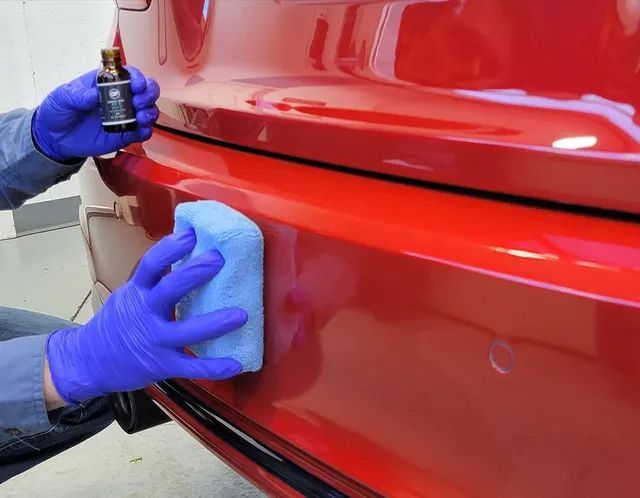
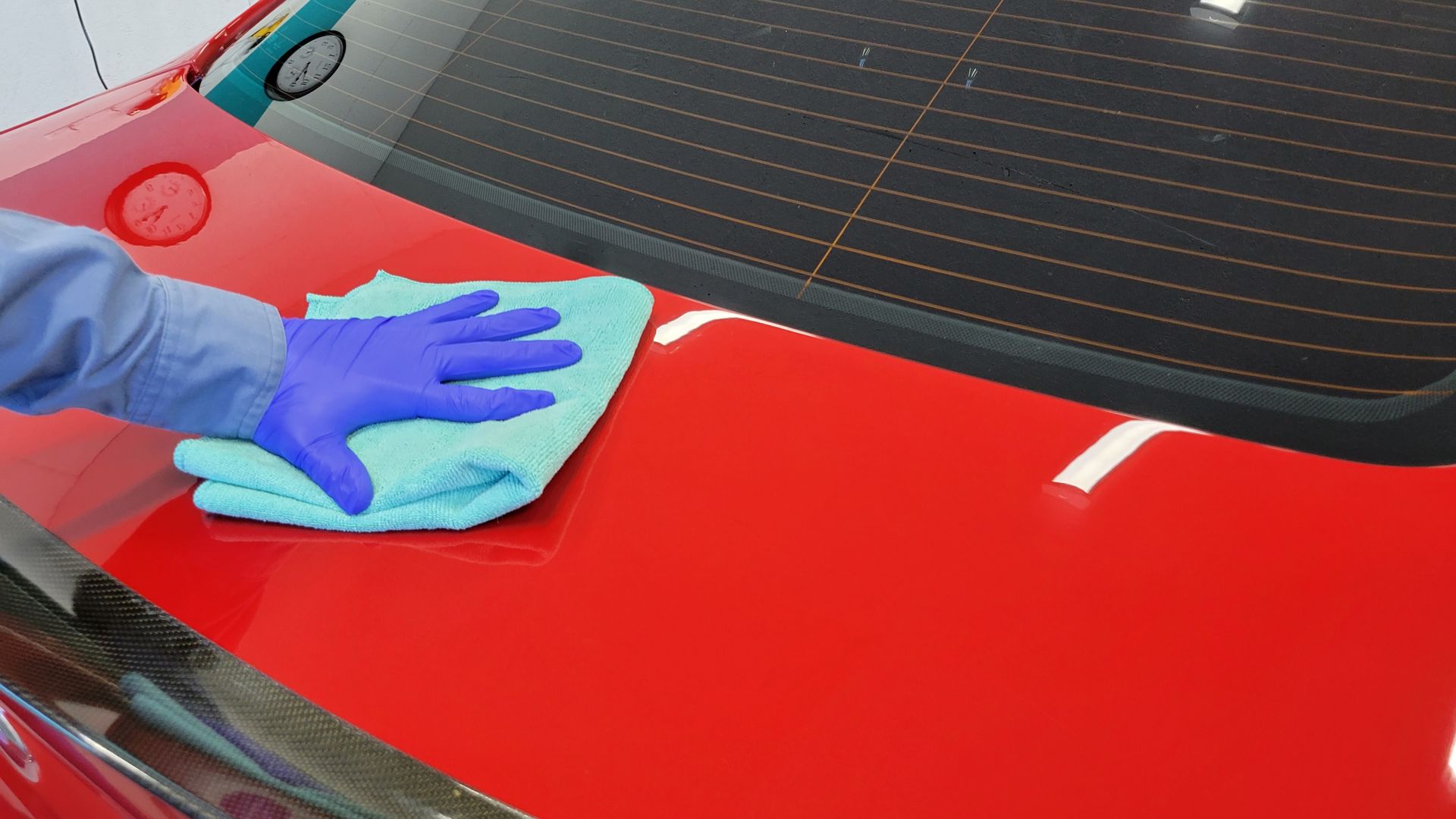
When Can You Wash a Ceramic-Coated Car?
The correct time to wash a newly coated vehicle depends on the manufacturer's aftercare schedule.
Some professional coating systems recommend avoiding conventional washing for approximately one or two weeks, while others specify different periods or methods.
Never assume that a coating is ready for washing simply because it looks dry.
Washing too early or using unsuitable chemicals may affect certain formulations before they develop their intended resistance.
After the recommended period, use coating-compatible automotive shampoo, clean microfiber towels, and gentle washing techniques.
Avoid abrasive brushes and harsh chemicals that could damage the protected finish.
Although ceramic coatings make routine maintenance easier, they do not eliminate the possibility of water spots, dirt buildup, or surface contamination.
Protecting Your Vehicle During the Curing Period
Proper aftercare helps preserve the quality of a newly installed ceramic coating.
Whenever practical, park in a garage or covered area during the recommended initial protection period.
Avoid touching or rubbing the coated paint unnecessarily. Dust and other particles can create surface marks when dragged across the finish.
Bird droppings, tree sap, and similar contaminants should not be ignored, but cleaning methods must follow the installer's specific aftercare guidance.
Do not apply waxes, sealants, polishing compounds, or unfamiliar maintenance products during the restricted curing period.
If you are uncertain whether a product is safe, contact TekShine before using it.
Once curing is complete, continue regular maintenance to preserve the coating's appearance and intended performance.
Get Professional Ceramic Coating Guidance in Cedar City
Ceramic coating cure time varies by product, so manufacturer-specific aftercare instructions should always take priority over general estimates.
Following appropriate driving, moisture-exposure, and washing recommendations helps protect your investment.
At TekShine, we provide professional ceramic coating services in Cedar City, UT for drivers seeking enhanced gloss, surface protection, and easier maintenance.
Contact TekShine or call (435) 383-8663 to discuss our coating packages and recommended aftercare procedures.
Frequently Asked Questions
How long does ceramic coating take to fully cure?
It varies by formulation. Some coatings require several days or longer to reach their intended performance characteristics. Follow your manufacturer's specific curing schedule.
Can I drive immediately after ceramic coating?
Driving restrictions depend on the product and installation process. Confirm the approved pickup and driving instructions with your installer.
Can rain damage a newly applied ceramic coating?
Premature moisture exposure may affect certain coatings or contribute to water spotting. Follow the recommended protection period.
How long should I wait before washing?
Some coatings require approximately one or two weeks before conventional washing, while others have different instructions. Always confirm your product's requirements.
Does cold weather slow ceramic coating curing?
Cold temperatures can slow curing in certain formulations. Professional application conditions and manufacturer guidance help determine appropriate handling.
TekShine PPF, Ceramic Coating and Window Tinting